
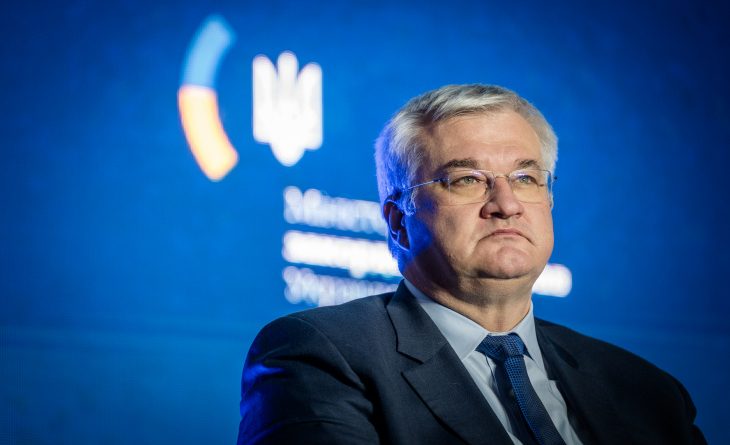
“We Have the Strongest Front-Line Positions in a Year”: Sybiha Calls Letter to Putin an Opportunity for the Dictator
Ukraine’s Foreign Minister Andrii Sybiha has characterized President Volodymyr Zelensky’s recent letter to Russian President Vladimir Putin as a significant diplomatic opportunity for the Kremlin leader, emphasizing that Ukraine currently maintains its strongest military positions along the front lines in over a year. The statement comes amid intensifying discussions about potential peace negotiations and marks a notable shift in the diplomatic landscape of the ongoing conflict that has now stretched beyond three years.
Speaking to international media, Sybiha elaborated on the strategic implications of Zelensky’s message to Moscow. The Ukrainian Foreign Minister emphasized that this communication represents what he termed a “chance for the dictator” to reconsider his approach to the conflict. According to Sybiha, the timing of this diplomatic outreach is particularly significant given Ukraine’s improved battlefield situation, suggesting that Kyiv is negotiating from a position of relative strength rather than desperation.
The letter comes at a crucial juncture in the war, as both sides assess their strategic positions heading into what many analysts predict will be a pivotal period. Ukraine has reportedly consolidated its defensive lines and, in some sectors, launched successful counteroffensive operations that have reclaimed territory previously held by Russian forces. Military experts note that Ukrainian forces have demonstrated remarkable resilience and adaptability, incorporating Western-supplied weapons systems and developing innovative tactical approaches that have surprised Russian commanders on multiple occasions.
The diplomatic initiative also reflects the complex international dynamics surrounding the conflict. Western allies, particularly the United States and European Union member states, have maintained substantial military and economic support for Ukraine while simultaneously expressing openness to diplomatic solutions. The Biden administration, followed by discussions under the new Trump administration, has consistently emphasized the importance of any peace settlement respecting Ukrainian sovereignty and territorial integrity. Meanwhile, European leaders have stressed the need for security guarantees that would prevent future Russian aggression.
Historical context provides important perspective on the current situation. Since Russia’s full-scale invasion began in February 2022, the conflict has evolved through several distinct phases, from the initial assault on Kyiv that was repelled by Ukrainian defenders, through the liberation of Kharkiv region, to the prolonged attritional warfare that has characterized recent months. The war has resulted in hundreds of thousands of casualties on both sides, displaced millions of Ukrainian civilians, and caused unprecedented destruction to infrastructure throughout the country. International organizations estimate that reconstruction costs could exceed $400 billion.
Putin’s response to Zelensky’s letter remains to be seen, but Kremlin officials have historically maintained maximalist positions regarding any potential settlement. Russian demands have typically included recognition of annexed territories, Ukrainian neutrality, and limitations on Ukraine’s military capabilities — conditions that Kyiv has repeatedly rejected as tantamount to capitulation. Western intelligence assessments suggest that domestic political pressures within Russia, combined with the economic strain of prolonged warfare and international sanctions, may be creating new incentives for the Kremlin to consider negotiated outcomes.
Sybiha’s characterization of Ukraine’s current military position as the “strongest in a year” reflects both tactical realities and strategic messaging. By projecting confidence while extending diplomatic communication, Ukrainian leadership appears to be pursuing a dual-track approach that maintains military pressure while leaving space for potential negotiations. This strategy aligns with advice from Western partners who have encouraged Ukraine to demonstrate both battlefield capability and diplomatic flexibility. As winter approaches and both armies prepare for continued operations, the coming weeks may prove decisive in determining whether this latest diplomatic overture gains traction or becomes another unrealized opportunity for peace.