
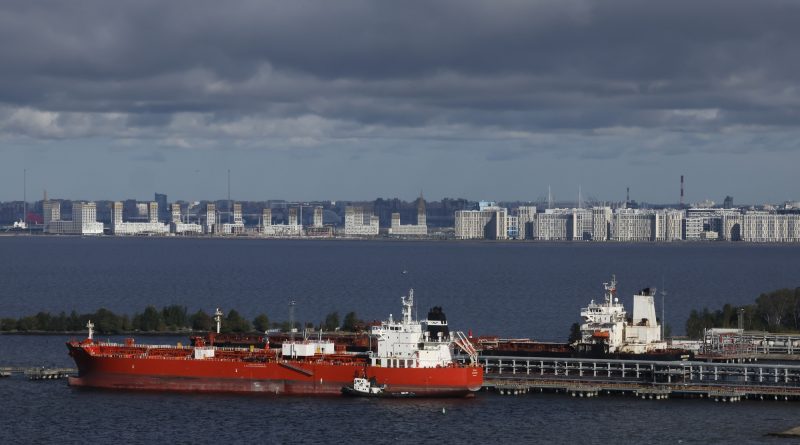
Ukrainian Maritime Drone ‘Mamai’ Strikes Russian Shadow Fleet Tanker in Black Sea Attack
In a significant escalation of Ukraine’s asymmetric warfare capabilities, a Ukrainian maritime drone named ‘Mamai’ successfully attacked the oil tanker Avero in the Black Sea, according to newly released footage. The vessel, identified as part of Russia’s so-called ‘shadow fleet,’ was reportedly transporting Russian crude oil to markets in China and India, circumventing Western sanctions imposed following Moscow’s full-scale invasion of Ukraine in February 2022.
The attack represents Ukraine’s continued efforts to disrupt Russia’s energy export infrastructure, which remains a critical source of revenue funding the Kremlin’s war machine. The Avero, like many vessels in the shadow fleet, operates under murky ownership structures designed to evade international sanctions and continue the flow of Russian petroleum products to willing buyers in Asia. Intelligence analysts estimate that Russia’s shadow fleet comprises hundreds of aging tankers, many lacking proper insurance and safety certifications, which have become essential to Moscow’s efforts to maintain oil exports despite unprecedented Western restrictions.
The ‘Mamai’ drone is part of Ukraine’s rapidly expanding arsenal of domestically produced naval drones, which have proven remarkably effective against Russian naval assets since the war began. Named after the historical Mongol military commander, the drone joins a family of Ukrainian maritime weapons that have fundamentally altered the balance of power in the Black Sea. Since 2022, Ukraine has used these relatively inexpensive unmanned surface vessels to sink or damage numerous Russian warships, including the flagship cruiser Moskva, forcing the Russian Black Sea Fleet to relocate much of its operations away from Crimean ports.
The development of Ukraine’s maritime drone program represents one of the most innovative military adaptations of the current conflict. Built at a fraction of the cost of traditional naval weapons, these drones can carry explosive payloads of up to several hundred kilograms and navigate autonomously or via satellite link to their targets. Western military experts have praised the program as a model of asymmetric warfare, demonstrating how a nation without a significant navy can effectively challenge a much larger maritime power. The success of these weapons has prompted several NATO countries to explore similar technologies for their own defense strategies.
Russia’s shadow fleet has become a major point of contention in international maritime circles. These vessels, often older tankers purchased specifically to evade sanctions, typically operate without proper Western insurance coverage and frequently disable their tracking transponders to avoid detection. Maritime safety experts have repeatedly warned that these aging ships pose significant environmental risks, as many lack adequate maintenance and could potentially cause catastrophic oil spills in sensitive waterways. The International Maritime Organization has expressed concerns about the growing fleet, though enforcement of regulations remains challenging given the complex web of shell companies and flag states involved.
The targeting of oil infrastructure marks a strategic shift in Ukraine’s approach to the conflict. By striking at Russia’s energy exports, Kyiv aims to reduce the revenues that finance Moscow’s military operations. According to various estimates, Russia continues to earn billions of dollars monthly from oil and gas sales, despite Western price caps and sanctions. China and India have emerged as the primary buyers of discounted Russian crude, with both nations significantly increasing their imports since 2022. The attack on the Avero sends a clear message that Ukraine is willing and able to threaten this vital economic lifeline, potentially raising insurance costs and deterring ships from participating in Russian oil transport.
The broader implications of Ukraine’s maritime drone campaign extend beyond immediate military gains. The success of these weapons has demonstrated vulnerabilities in conventional naval doctrine and prompted navies worldwide to reassess their defensive capabilities against swarm attacks by unmanned vessels. For Ukraine, the program has provided a cost-effective means of projecting power at sea without the need for expensive warships. Each drone costs a tiny fraction of the Russian vessels and infrastructure it can potentially destroy, making it an economically sustainable weapon system even for a nation under severe wartime financial strain.
As the conflict enters its fourth year, Ukraine’s innovative approach to naval warfare continues to yield results. The attack on the Avero is likely to intensify international scrutiny of Russia’s shadow fleet operations while demonstrating that no vessel supporting the Russian war economy is beyond Ukraine’s reach. Military analysts expect continued development of these drone capabilities, with potential applications expanding to include not just military targets but the broader logistics network sustaining Russia’s invasion.