
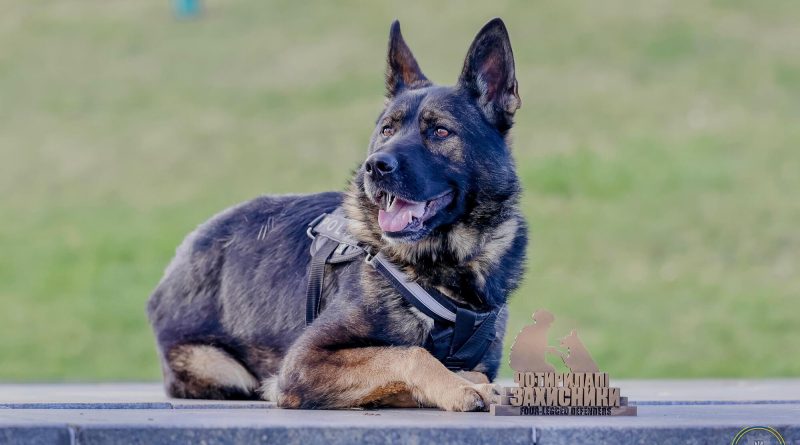
Police Service Dogs Help Locate 309 Missing Persons in Six Months, Including 177 Children
The canine units of Ukraine’s National Police have demonstrated remarkable effectiveness in search and rescue operations during the first half of the year, successfully locating 309 missing individuals, among them 177 children. This impressive statistic underscores the critical role that specially trained service dogs continue to play in law enforcement operations across the country, particularly in cases where time is of the essence and human tracking methods may prove insufficient.
The National Police’s canine service relies predominantly on German Shepherds and Belgian Malinois, two breeds renowned worldwide for their exceptional tracking abilities, intelligence, and working drive. German Shepherds have served in police and military roles for over a century, originally developed in Germany in the late 1800s specifically for their versatility and trainability. Belgian Malinois, while less commonly known to the general public, have gained increasing prominence in law enforcement circles due to their high energy levels, keen sense of smell, and unwavering focus during operations.
The science behind canine tracking capabilities is truly remarkable. A dog’s sense of smell is estimated to be between 10,000 and 100,000 times more sensitive than that of humans, with approximately 300 million olfactory receptors compared to roughly 6 million in the human nose. This biological advantage allows trained police dogs to detect and follow human scent trails that may be hours or even days old, making them invaluable assets in locating missing persons, particularly children who may have wandered away from home or elderly individuals with cognitive impairments.
Training a police service dog is an intensive process that typically takes between 12 and 24 months, depending on the specialization required. Handlers and their canine partners undergo rigorous joint training to develop the communication and trust essential for effective fieldwork. In Ukraine, the National Police maintains specialized training facilities where dogs learn various skills including tracking, evidence detection, and apprehension techniques. The bond between handler and dog is considered crucial to operational success, with many teams working together for the entire career of the animal.
The high number of children among those found—177 out of 309 total—reflects both the vulnerability of young people and the particular effectiveness of canine units in child search operations. Children who become lost often behave unpredictably, sometimes hiding from searchers out of fear or continuing to move in random patterns. Dogs can track the specific scent of an individual regardless of these behavioral challenges, following trails through forests, urban environments, and even across water in some cases. This capability has proven lifesaving in numerous instances where conventional search methods might have taken significantly longer.
The success of Ukraine’s police canine program aligns with international trends recognizing the irreplaceable value of working dogs in law enforcement. Countries around the world continue to invest in canine units despite advances in technology, as no electronic device has yet replicated the combination of mobility, scent detection, and real-time tracking that a trained dog provides. Modern police dogs often work alongside technological tools such as drones and thermal imaging equipment, creating comprehensive search capabilities that maximize the chances of finding missing individuals alive.
Looking ahead, the National Police continues to expand and refine its canine program, recognizing the proven results these four-legged officers deliver. Each successful rescue represents not just a statistic but a family reunited, a child returned safely home, or a vulnerable person brought to safety. The dedication of both the dogs and their handlers, who often work in challenging conditions and at all hours, exemplifies the commitment of Ukrainian law enforcement to protecting citizens. As the program continues to demonstrate its effectiveness, the canine units remain among the most valued specialized resources in the National Police’s operational toolkit.