
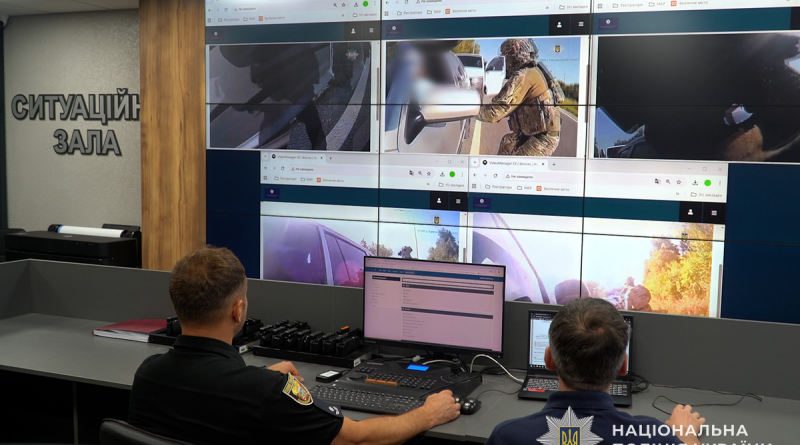
Ternopil Region Police Launch Groundbreaking Body Cameras with Automatic Activation System
In a significant step forward for police transparency and accountability in Ukraine, the Ternopil Oblast has become the first region in the country to implement an advanced body camera system featuring automatic activation technology. This pioneering initiative marks a new chapter in Ukrainian law enforcement practices, bringing the nation closer to international standards of police oversight and evidence collection that have been successfully adopted in numerous Western countries.
The newly deployed body-worn cameras represent a substantial technological upgrade from conventional recording devices that require manual operation. The automatic activation feature ensures that cameras begin recording without officer intervention when triggered by specific events, such as the unholstering of a weapon, activation of emergency lights, or other predetermined conditions. This eliminates the possibility of officers forgetting to activate their devices during critical incidents and removes any potential for deliberate non-recording during controversial encounters.
Body-worn cameras have become an essential tool for modern policing worldwide, with countries including the United States, United Kingdom, Germany, and Australia implementing widespread programs over the past decade. Research conducted by the University of Cambridge found that departments using body cameras experienced a 93% reduction in complaints against officers, while simultaneously providing valuable evidence for prosecutions. The technology serves a dual purpose: protecting citizens from potential misconduct while also shielding officers from false accusations. In Ukraine, where police reform has been a priority since the establishment of the National Police in 2015, this technology represents another milestone in the ongoing transformation of law enforcement.
The implementation in Ternopil Oblast comes as part of broader police modernization efforts that have been underway in Ukraine for nearly a decade. Following the Revolution of Dignity in 2014, Ukraine undertook comprehensive law enforcement reforms with substantial international support, including training programs and equipment donations from the United States, Canada, and European Union member states. The patrol police service, established in 2015 to replace the discredited militia system inherited from the Soviet era, has gradually expanded its technological capabilities, with body cameras being introduced in various regions on a trial basis before this more advanced system was deployed.
Law enforcement experts have praised the automatic activation feature as a critical advancement over first-generation body camera systems. According to police technology specialists, manual activation systems have inherent limitations, as officers operating under stress may fail to activate their devices, or crucial initial moments of an encounter may go unrecorded. Automatic triggers linked to vehicle systems, holster sensors, or radio communications ensure comprehensive documentation from the earliest stages of any police interaction. This complete record proves invaluable for internal reviews, court proceedings, and training purposes.
The Ternopil pilot program will likely serve as a model for nationwide implementation if successful. Ukrainian authorities have indicated that data from this deployment will be analyzed to assess the system’s effectiveness, reliability under various weather conditions, storage requirements for recorded footage, and impact on police-community relations. The region, located in western Ukraine with a population of approximately one million residents, provides a suitable testing environment that includes both urban and rural policing scenarios. Officers participating in the program have reportedly undergone specialized training on proper device usage, data management protocols, and privacy considerations.
Privacy advocates and civil society organizations have generally welcomed the introduction of body cameras while emphasizing the importance of clear regulations governing footage access, retention periods, and circumstances under which recordings may be reviewed. Ukrainian legislation continues to evolve regarding digital evidence and surveillance technology, and the successful implementation of this program will require balancing transparency objectives with legitimate privacy concerns. As other Ukrainian regions observe the Ternopil experience, this initiative could potentially expand nationwide, further strengthening accountability mechanisms within Ukrainian law enforcement and building greater public trust in police institutions during a challenging period in the nation’s history.