
Lithuania Engages in Secret Nuclear Weapons Negotiations with the United States, Defense Minister Reveals
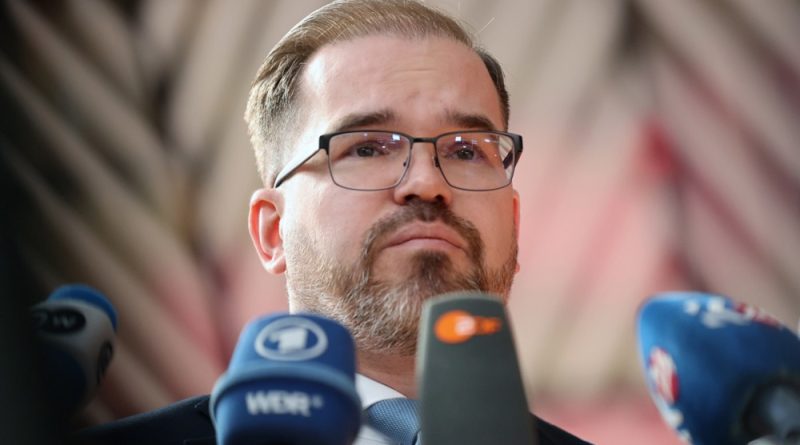
Lithuania’s Defense Minister has confirmed that the Baltic nation is conducting confidential discussions with the United States regarding the potential deployment of nuclear weapons on Lithuanian territory. This revelation marks a significant escalation in the security posture of the small NATO member state, which shares a border with both Russia and the Russian exclave of Kaliningrad. The announcement comes amid heightened tensions in Eastern Europe following Russia’s invasion of Ukraine and represents a dramatic shift in Lithuania’s defense strategy.
The discussions in Vilnius have expanded beyond mere diplomatic talks to include concrete legislative preparations. Lithuanian officials are actively considering amendments to the country’s Constitution, which currently prohibits the stationing of weapons of mass destruction on national soil. This constitutional provision, adopted after Lithuania regained independence from the Soviet Union in 1990, was designed to ensure the country’s non-nuclear status. However, the dramatically altered security landscape in Europe has prompted lawmakers to reconsider this foundational principle of Lithuanian defense policy.
The potential constitutional changes would require a significant political consensus, as amending Lithuania’s fundamental law demands a two-thirds majority in the Seimas, the national parliament. Political observers note that public opinion in Lithuania has shifted considerably since Russia’s full-scale invasion of Ukraine in February 2022. Recent polls indicate that a growing majority of Lithuanians support stronger defense measures, including closer military integration with NATO allies. The country has already increased its defense spending to over 2.5 percent of GDP, exceeding NATO’s target threshold.
Lithuania’s strategic importance within the NATO alliance cannot be overstated. The country sits at a critical geographical junction, with the Suwalki Gap – a narrow corridor connecting Poland to the Baltic states – representing one of NATO’s most vulnerable points. Military analysts have long warned that Russian forces stationed in Kaliningrad and Belarus could potentially sever this connection, isolating the Baltic states from the rest of the alliance. The presence of nuclear weapons in Lithuania would fundamentally alter this strategic calculus, providing a powerful deterrent against any potential Russian aggression.
Historical context adds weight to Lithuania’s security concerns. The Baltic states experienced Soviet occupation for nearly five decades, and memories of this period remain vivid in the collective consciousness. Since joining NATO in 2004, Lithuania has consistently advocated for a stronger alliance presence in the region. The country currently hosts a NATO Enhanced Forward Presence battlegroup, led by Germany, comprising approximately 1,600 troops from multiple allied nations. However, Lithuanian officials have argued that conventional forces alone may be insufficient to deter a determined adversary.
The United States maintains nuclear weapons at several locations across Europe under NATO’s nuclear sharing arrangements, including bases in Belgium, Germany, Italy, the Netherlands, and Turkey. These B61 gravity bombs, while aging, remain a cornerstone of NATO’s extended deterrence strategy. The potential extension of this arrangement to Lithuania would represent the first deployment of American nuclear weapons to former Soviet territory – a development certain to provoke intense reaction from Moscow. Russian officials have previously warned that such moves would trigger countermeasures, though specific responses have not been detailed.
European allies have expressed mixed reactions to the news of Lithuanian-American nuclear discussions. While some Eastern European partners, particularly Poland, have indicated support for enhanced deterrence measures, Western European nations have traditionally favored diplomatic approaches to security challenges. Germany, in particular, has historically maintained a cautious stance on nuclear matters, though Berlin’s position has evolved since Russia’s invasion of Ukraine. The coming months will likely see intense diplomatic activity as NATO members debate the implications of potentially expanding nuclear deployments eastward.
Defense experts emphasize that any actual deployment would likely take years to implement, requiring not only constitutional changes but also extensive infrastructure development, security protocols, and training programs. The negotiations themselves represent a significant political signal, demonstrating Lithuania’s determination to secure maximum protection within the NATO framework. As one security analyst noted, even the public acknowledgment of such discussions serves a deterrent purpose, signaling to potential adversaries that the alliance is prepared to take unprecedented steps to defend its members.