
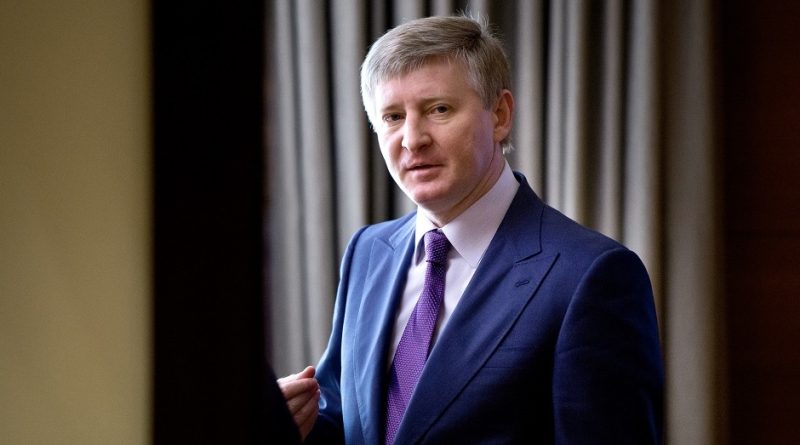
Ukraine’s Richest Oligarch Akhmetov Sees Country Gradually Moving Toward Peace, Pledges Investment in Reconstruction
Rinat Akhmetov, Ukraine’s wealthiest businessman and one of Eastern Europe’s most influential oligarchs, has expressed cautious optimism about his country’s trajectory toward peace. In recent statements, the steel and energy magnate indicated his belief that Ukraine is making gradual progress toward ending the devastating conflict that has gripped the nation since Russia’s full-scale invasion in February 2022. The billionaire also emphasized that wealthy Ukrainians like himself bear a significant responsibility to invest heavily in the country’s post-war reconstruction efforts.
Akhmetov’s perspective carries considerable weight given his deep ties to Ukraine’s industrial heartland, particularly the Donbas region, which has been at the center of the conflict. Before the war, his business empire, centered around the SCM Group holding company, controlled vast steel production facilities, coal mines, and power generation assets across eastern Ukraine. Many of these assets have suffered catastrophic damage or have been completely destroyed during the fighting, with estimates suggesting his personal losses run into billions of dollars. The city of Mariupol, where his Azovstal steel plant became a symbol of Ukrainian resistance during a brutal siege in 2022, was reduced to ruins.
The businessman’s call for wealthy Ukrainians to lead reconstruction efforts reflects a growing conversation about how the country will rebuild once hostilities cease. International estimates for Ukraine’s reconstruction needs range from $400 billion to over $1 trillion, depending on how long the conflict continues and the extent of additional damage. The World Bank, European Union, and various international organizations have pledged support, but experts agree that private investment will be crucial to supplement government and international aid. Akhmetov, whose fortune was estimated at over $13 billion before the invasion, has historically been one of Ukraine’s largest private employers and taxpayers.
Throughout his career, Akhmetov has maintained a complex relationship with Ukrainian politics and business. Rising from humble beginnings in Donetsk, he built his empire during the turbulent post-Soviet privatization era of the 1990s. His influence extended beyond business into football, where he owned FC Shakhtar Donetsk, one of Europe’s most successful clubs. The team was forced to flee Donetsk in 2014 when Russian-backed separatists seized control of parts of the Donbas region, and has since played its home matches in various Ukrainian cities. This earlier conflict foreshadowed the larger invasion that would come eight years later.
Akhmetov’s optimism about peace comes amid intensive diplomatic activity on multiple fronts. Various international actors, including European leaders and potential mediators, have been exploring pathways to negotiations. However, significant obstacles remain, including fundamental disagreements over territorial integrity, security guarantees, and accountability for war crimes. Ukrainian President Volodymyr Zelensky has maintained that any peace agreement must respect Ukraine’s sovereignty and territorial integrity, while also ensuring mechanisms to prevent future aggression. The exact contours of what a peaceful resolution might look like remain deeply contested.
The role of oligarchs in post-war Ukraine is itself a subject of considerable debate. Critics have long argued that the excessive influence of wealthy businessmen in Ukrainian politics contributed to corruption and hindered democratic development. President Zelensky’s government has taken steps to reduce oligarchic influence, including passing anti-oligarch legislation in 2021. However, the practical reality of reconstruction may require cooperation with those who have the capital and business expertise to rebuild critical infrastructure. Akhmetov has positioned himself as a patriotic Ukrainian businessman committed to his country’s future, though skeptics remain wary of concentrated economic power.
As Ukraine continues to defend itself while simultaneously planning for an eventual peace, the statements from figures like Akhmetov provide insight into how the country’s business elite envisions the future. The commitment to invest in reconstruction, if followed through, could help accelerate recovery in key industrial sectors. However, the path to peace remains uncertain, with ongoing military operations and diplomatic complexities presenting formidable challenges. What remains clear is that rebuilding Ukraine will require unprecedented cooperation between government, international partners, and private investors willing to take significant risks in pursuit of the country’s restoration and modernization.