
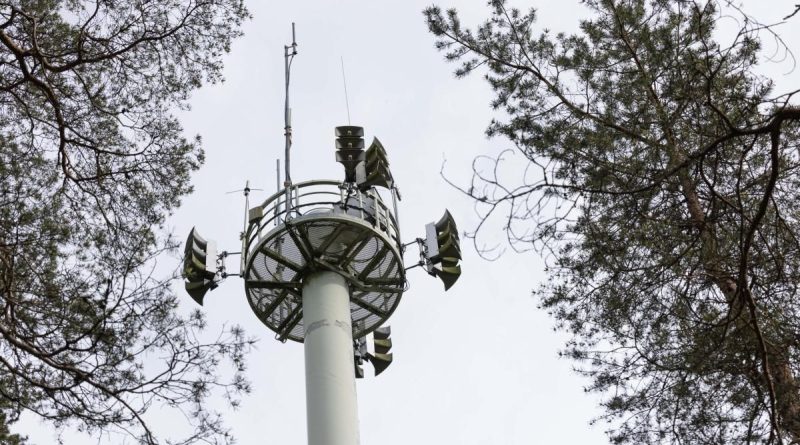
Finland to Test Civil Defense Sirens on First Day of Summer in Nationwide Preparedness Exercise
The Finnish government has announced plans to conduct a comprehensive test of its civil defense warning systems on the first day of summer, a routine yet significant exercise that underscores the Nordic nation’s commitment to public safety and emergency preparedness. Authorities have emphasized the importance of ensuring that citizens can distinguish between a test signal and an actual warning alert, reflecting Finland’s proactive approach to civil protection in an increasingly uncertain geopolitical landscape.
The nationwide siren test is part of Finland’s long-standing tradition of maintaining robust emergency alert infrastructure, a practice that dates back to the Cold War era when the country found itself geographically positioned between East and West. Finland shares an approximately 1,340-kilometer border with Russia, making civil defense preparedness not merely a bureaucratic exercise but a fundamental aspect of national security strategy. The country has historically maintained one of Europe’s most extensive networks of public shelters and warning systems, capable of accommodating a significant portion of its population in emergency situations.
The testing procedure follows strict protocols established by Finnish emergency management authorities. During the exercise, sirens across the country will emit a distinctive rising and falling tone lasting approximately one minute, followed by an all-clear signal. Government officials have stressed that residents should familiarize themselves with these sounds to avoid confusion during actual emergencies. The differentiation between test signals and genuine warnings could prove critical in real crisis situations, whether they involve natural disasters, industrial accidents, or other threats requiring immediate public response.
Finland’s civil defense system has garnered increased international attention in recent years, particularly following Russia’s invasion of Ukraine in February 2022. The conflict has prompted many European nations to reassess their emergency preparedness capabilities, with Finland often cited as a model of civilian readiness. The country maintains approximately 50,000 shelters capable of protecting around 4.8 million people, representing roughly 87 percent of the total population. These shelters range from purpose-built underground facilities to adapted basements in residential and commercial buildings, all meeting stringent safety standards.
Emergency preparedness experts note that regular testing of warning systems serves multiple crucial functions beyond mere technical verification. Dr. Henrik Nordberg, a security analyst at the Finnish Institute of International Affairs, has previously observed that such exercises reinforce public awareness and psychological readiness. When populations are accustomed to hearing test sirens and understanding their meaning, they are more likely to respond appropriately during genuine emergencies. This cultural familiarity with civil defense procedures represents an invaluable but often overlooked component of national resilience.
The timing of the test on the first day of summer holds symbolic significance for Finns, marking the transition into the brightest period of the year when outdoor activities increase and communities gather for traditional celebrations. By conducting the exercise on this date, authorities ensure maximum public awareness while also demonstrating that civil defense remains a year-round priority regardless of season or circumstance. Finnish schools incorporate civil defense education into their curricula, teaching children from an early age how to respond to various emergency signals and situations.
As Finland continues to adapt to evolving security challenges, including its recent accession to NATO in April 2023, the maintenance and testing of civil defense infrastructure takes on renewed importance. The country’s integration into the Western military alliance has not diminished its emphasis on civilian preparedness; rather, it has reinforced the complementary nature of military and civil defense capabilities. Finnish officials maintain that a well-prepared civilian population forms an essential pillar of comprehensive national defense, working alongside military forces to ensure the country’s security and resilience in any potential crisis scenario. The upcoming siren test represents just one visible element of this broader commitment to protecting Finnish citizens and maintaining societal stability in uncertain times.