
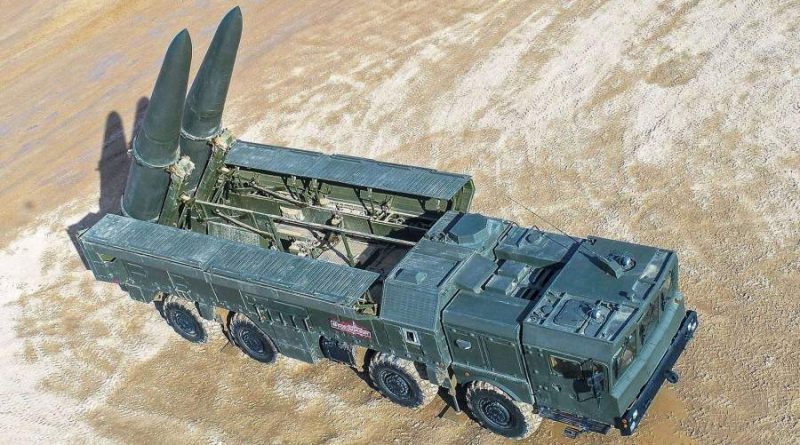
Ukrainian Forces Strike Strategic Targets in Taganrog: Iskander System and Two Tu-142 Aircraft Reportedly Destroyed
In a significant escalation of long-range strike capabilities, Ukrainian Armed Forces have reportedly destroyed an Iskander missile system and two Tu-142 maritime reconnaissance aircraft at a Russian military facility in Taganrog, according to a statement from the commander of the Unmanned Systems Forces (USF). The announcement, accompanied by video evidence, marks another successful deep strike into Russian territory, demonstrating Ukraine’s growing ability to target critical military infrastructure far beyond the front lines.
The commander known by the call sign “Magyar” shared details of the operation through official channels, providing footage that purportedly shows the destruction of the high-value targets. Taganrog, a strategic port city located on the Sea of Azov approximately 50 kilometers from the Ukrainian border, has served as an important logistics and aviation hub for Russian military operations since the beginning of the full-scale invasion in February 2022. The city hosts several military installations, including an airfield that has been used for various Russian Air Force operations throughout the conflict.
The destruction of an Iskander missile system represents a particularly valuable tactical achievement for Ukrainian forces. The Iskander-M (NATO designation SS-26 Stone) is one of Russia’s most sophisticated short-range ballistic missile systems, capable of striking targets at distances up to 500 kilometers with high precision. These systems have been extensively used by Russian forces to target Ukrainian cities, critical infrastructure, and military installations throughout the war. Each Iskander launcher is valued at approximately $120 million, and the missiles themselves cost between $3-6 million each, making their destruction a significant blow to Russian strike capabilities in the region.
The reported loss of two Tu-142 aircraft adds substantial weight to this operation’s strategic significance. The Tupolev Tu-142, a maritime reconnaissance and anti-submarine warfare aircraft derived from the famous Tu-95 bomber platform, represents a Cold War-era design that remains crucial to Russian naval aviation capabilities. Each aircraft, powered by four distinctive contra-rotating turboprop engines, can carry various armaments and sophisticated surveillance equipment. With Russia’s Tu-142 fleet numbering fewer than 20 operational aircraft, the loss of two planes would represent a meaningful reduction in the country’s maritime patrol capabilities over the Black Sea and beyond.
This strike fits into a broader pattern of increasingly effective Ukrainian long-range operations targeting Russian military assets deep within Russian territory. Over the past year, Ukraine has developed and deployed various indigenous drone systems capable of striking targets hundreds of kilometers from the front lines. The Unmanned Systems Forces, established as a separate branch of Ukraine’s military in 2024, has been at the forefront of this technological and tactical evolution. Under innovative leadership, this branch has pioneered new approaches to asymmetric warfare, using relatively inexpensive drones to destroy equipment worth millions of dollars.
The targeting of assets in Taganrog also carries symbolic significance, as the city has historical connections to aviation development in the region and continues to house aerospace manufacturing facilities. Russian air defenses in the area have reportedly been strengthened since the beginning of the conflict, yet Ukrainian forces have repeatedly demonstrated the ability to penetrate these defensive networks. Military analysts suggest that these successful strikes indicate either gaps in Russian air defense coverage or the development of more sophisticated Ukrainian penetration tactics, possibly involving swarm attacks or decoy drones to overwhelm defensive systems.
Western military observers have noted that Ukraine’s strategy of targeting Russian military infrastructure serves multiple purposes beyond immediate tactical gains. By forcing Russia to relocate aircraft, missile systems, and other valuable assets further from the front lines, Ukrainian strikes increase Russian logistics burdens and reduce response times for military operations. Additionally, the psychological impact of successful strikes deep within Russian territory challenges the Kremlin’s narrative of military dominance and raises domestic concerns about the country’s defensive capabilities. As the conflict continues into its third year, Ukraine’s expanding strike capabilities represent an evolving dimension of the war that Moscow increasingly struggles to counter effectively.