
Ukraine Proposes Strategic Agreement with Germany to Secure Additional Patriot Missile Interceptors
Ukraine has put forward a formal proposal to Germany seeking a comprehensive agreement that would facilitate the supply of additional Patriot missile interceptors, according to a report by Bloomberg News. The diplomatic initiative comes as Kyiv continues to bolster its air defense capabilities amid ongoing Russian aerial attacks targeting critical infrastructure and civilian areas across the country. Sources familiar with the matter indicated that deliveries of American-manufactured interceptor missiles to Ukraine are proceeding according to the established schedule, suggesting that existing supply chains remain functional despite the complexity of the request.
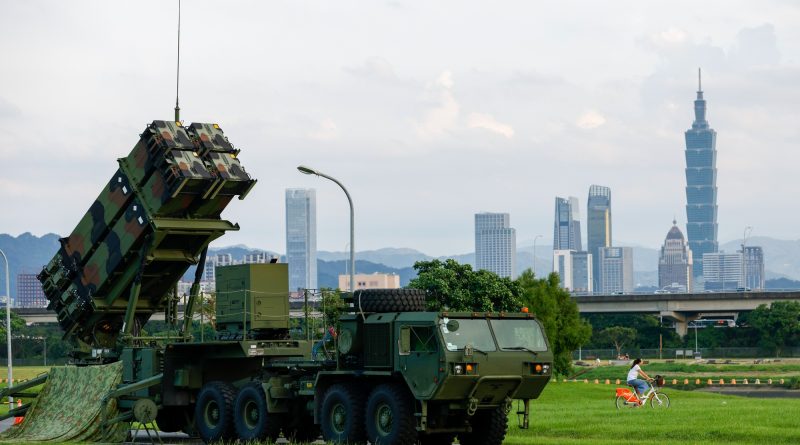
The Patriot air defense system, developed by the American defense contractor Raytheon, represents one of the most sophisticated missile defense platforms in the world. First deployed in the 1980s, the system has undergone numerous upgrades and has proven its effectiveness in various conflicts, including the Gulf War and more recently in Ukraine’s defense against Russian missile and drone attacks. Germany operates several Patriot batteries as part of its NATO commitments and has already provided Ukraine with at least one complete system, making it a crucial partner in Kyiv’s air defense architecture.
The proposed agreement between Ukraine and Germany reportedly aims to establish a more structured framework for the ongoing supply of interceptor missiles, which are essential for the continued operation of the Patriot systems already deployed in Ukraine. Each Patriot battery requires a steady supply of missiles to remain combat-effective, and the interceptors themselves are expensive and complex to manufacture. A single PAC-3 missile, the most advanced variant in the Patriot family, can cost approximately $4 million, and production capacity at Raytheon’s facilities has been stretched thin by global demand since the outbreak of the conflict in Ukraine.
Germany’s role in supporting Ukraine’s air defense has grown significantly since Russia’s full-scale invasion began in February 2022. Initially hesitant to provide heavy weaponry, the German government under Chancellor Olaf Scholz gradually expanded its military assistance program, eventually agreeing to supply Patriot systems and other advanced equipment. The decision marked a significant shift in German foreign policy, which had traditionally avoided sending weapons to active conflict zones. Berlin has faced domestic and international pressure to increase its support, particularly as Ukrainian cities continue to suffer from missile strikes that have damaged power plants, hospitals, and residential buildings.
The timing of Ukraine’s proposal is particularly significant given the current geopolitical landscape in Europe. NATO allies have been working to coordinate their support for Ukraine while managing their own defense stockpiles, which have been depleted by the sustained effort to arm Kyiv. The United States, as the primary manufacturer of Patriot systems and missiles, has played a central role in facilitating transfers from allied nations, but production constraints have created bottlenecks in the supply chain. Defense industry analysts estimate that it could take years to fully replenish Western stockpiles while simultaneously meeting Ukraine’s urgent requirements.
Ukraine’s air defense network has become increasingly sophisticated over the course of the conflict, incorporating a mix of Western and Soviet-era systems. In addition to Patriot batteries, Ukraine operates German-supplied IRIS-T systems, American-provided NASAMS, and its own upgraded S-300 platforms. This layered approach allows Ukrainian forces to engage threats at various altitudes and ranges, though gaps in coverage remain, particularly in protecting front-line areas and smaller cities. Military experts have emphasized that air defense represents one of Ukraine’s most critical needs, as Russia continues to launch waves of cruise missiles, ballistic missiles, and Iranian-designed Shahed drones.
The proposed German-Ukrainian agreement could serve as a model for similar arrangements with other NATO allies, potentially streamlining the process of transferring air defense equipment and ammunition. Such bilateral frameworks might help address some of the bureaucratic obstacles that have slowed the delivery of military aid in the past. As the conflict enters its third year, both Ukraine and its Western partners are increasingly focused on establishing sustainable support mechanisms that can endure regardless of shifting political winds in donor countries. The outcome of negotiations between Kyiv and Berlin will be closely watched by other European capitals and could influence the broader trajectory of Western military assistance to Ukraine.