
UK Responds to Polish PM Tusk’s Criticism of E3 Format, Reaffirms Commitment to Pan-European Cooperation
The United Kingdom has responded to Polish Prime Minister Donald Tusk’s criticism of the E3 format, emphasizing Britain’s commitment to maintaining and strengthening cooperation with all European nations. The diplomatic exchange highlights the ongoing tensions surrounding European security architecture and the various formats through which major powers coordinate their responses to continental challenges, particularly in light of Russia’s continued aggression in Ukraine.
The E3 format, which brings together the United Kingdom, France, and Germany, has historically served as a mechanism for Europe’s three largest economies to coordinate on critical international issues. Originally established to address the Iranian nuclear program negotiations, the format has evolved to tackle broader European security concerns. However, the exclusivity of this arrangement has drawn criticism from other European nations, particularly those on NATO’s eastern flank who feel their voices should carry equal weight in discussions about European security.
Polish Prime Minister Donald Tusk has been vocal in his concerns about the E3 format, arguing that decisions affecting all of Europe should not be made by a select group of Western European powers. Poland, as one of Ukraine’s most steadfast supporters and a frontline NATO state, has positioned itself as a key player in European security discussions. Tusk’s criticism reflects a broader sentiment among Central and Eastern European nations that their geographical proximity to Russia and their historical experience with Soviet domination give them unique insights that must be incorporated into any European security framework.
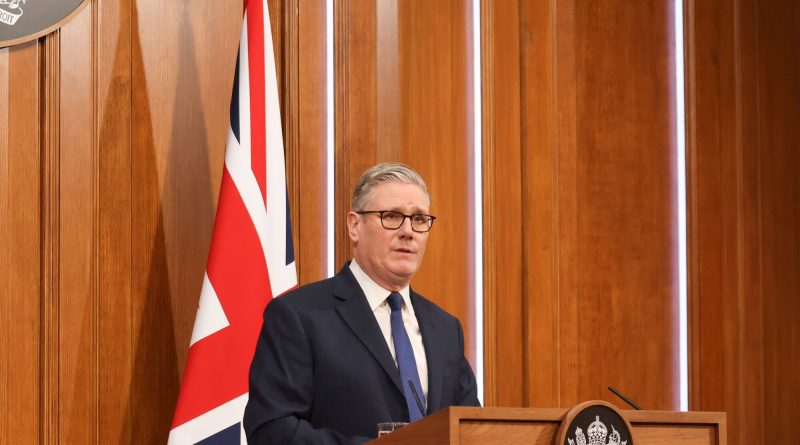
The response from Prime Minister Keir Starmer’s government underscores Britain’s desire to balance its traditional partnerships with France and Germany while remaining open to broader European engagement. Since taking office, Starmer has sought to reset relations with the European Union following years of post-Brexit tensions, while simultaneously maintaining Britain’s role as a leading European power. This diplomatic balancing act requires careful navigation of competing interests and sensitivities among various European partners.
The debate over European diplomatic formats has gained renewed urgency as the continent grapples with the security implications of Russia’s invasion of Ukraine and uncertainty surrounding American commitment to NATO under changing U.S. administrations. European leaders are increasingly discussing the need for greater strategic autonomy, though they remain divided on how to achieve this goal and which nations should lead such efforts. The E3 format represents one model of European leadership, but critics argue it perpetuates a two-tier system that marginalizes smaller nations and those in Eastern Europe.
Britain’s post-Brexit foreign policy has sought to maintain influence in European affairs through bilateral relationships and selective multilateral engagements. The country remains a nuclear power and permanent member of the UN Security Council, giving it diplomatic weight that extends beyond its EU departure. However, British officials recognize that effective European cooperation requires buy-in from nations across the continent, not just the traditional Western European powers. This recognition appears to inform the measured response to Tusk’s criticism.
Looking ahead, the challenge for European diplomacy will be finding formats that are both effective and inclusive. The E3 has proven useful for coordinating among major powers, but the war in Ukraine has demonstrated that countries like Poland, the Baltic states, and others play crucial roles that cannot be ignored. As European leaders continue to debate the future of continental security, the tension between efficiency and inclusivity in diplomatic formats will likely remain a recurring theme. The UK’s stated commitment to cooperation with all European nations suggests an awareness of these dynamics and a willingness to engage beyond traditional partnerships, though the practical implementation of such inclusive approaches remains to be seen.