
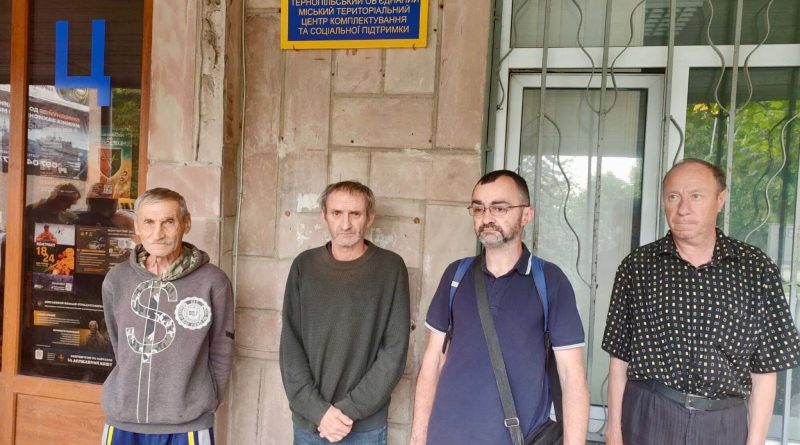
“Mobilization Reform Needed Yesterday”: Ukrainian Ombudsman Reports Violations at Another Territorial Recruitment Center
Ukraine’s Parliamentary Commissioner for Human Rights, Dmytro Lubinets, has once again raised alarm bells about systematic violations occurring within the country’s military recruitment system. In a recent statement accompanied by video evidence, the Ombudsman addressed troubling incidents at the Ternopil Territorial Recruitment and Social Support Center (TCC), adding to a growing list of documented cases where recruitment procedures have allegedly deviated from legal norms. Lubinets emphasized that comprehensive reform of the mobilization process is not just necessary but urgently overdue, stating that such changes were “needed yesterday.”
The situation in Ternopil represents the latest in a series of incidents that have drawn public attention to the conduct of military recruitment officers across Ukraine. According to Lubinets, his office has received numerous complaints from citizens regarding the methods employed by TCC personnel, ranging from improper documentation procedures to allegations of physical coercion during the recruitment process. The Ombudsman’s office has been actively monitoring these situations, collecting evidence and testimonies from affected individuals to build a comprehensive picture of the systemic issues plaguing the mobilization effort.
The controversy surrounding Ukraine’s mobilization practices has intensified since the country introduced updated conscription laws following Russia’s full-scale invasion in February 2022. Under martial law, men aged 18 to 60 are generally prohibited from leaving the country, and the government has implemented various measures to bolster military ranks amid ongoing combat operations. The Territorial Recruitment Centers, which replaced the former military commissariats (voenkomats), were intended to modernize the conscription process and make it more transparent. However, reports of aggressive recruitment tactics, including incidents where men have allegedly been detained on streets or at checkpoints and immediately processed for military service, have sparked widespread concern among the Ukrainian public and international observers alike.
Lubinets’s intervention comes at a critical juncture for Ukrainian civil-military relations. The Ombudsman has consistently advocated for a balance between national security imperatives and the protection of citizens’ constitutional rights. In his recent comments on the Ternopil situation, he stressed that effective mobilization cannot be achieved through methods that undermine public trust in state institutions. “When people see violations of their rights during the recruitment process, it damages not only individual cases but the entire mobilization effort,” Lubinets explained. He called for immediate disciplinary action against officials found to have violated established procedures and demanded systemic reforms to prevent future incidents.
The historical context of military conscription in Ukraine adds important dimensions to the current debate. During the Soviet era, mandatory military service was a deeply ingrained aspect of society, and the post-independence period saw various attempts to reform and eventually abolish conscription in favor of a professional army. However, the conflict that began in 2014 with Russia’s annexation of Crimea and the war in Donbas forced Ukraine to reinstate and expand its conscription policies. The current full-scale war has placed unprecedented pressure on the mobilization system, requiring it to process hundreds of thousands of recruits while maintaining legal and ethical standards that many argue are incompatible with the urgency of wartime demands.
International human rights organizations have been monitoring Ukraine’s mobilization practices with increasing attention. While acknowledging the existential threat the country faces and the legitimate need for military manpower, organizations such as Human Rights Watch and Amnesty International have urged Ukrainian authorities to ensure that recruitment procedures comply with both domestic law and international human rights standards. Experts note that sustainable mobilization requires voluntary participation and public support, which can only be maintained when citizens believe the system operates fairly and transparently. Cases of alleged abuse, when publicized, risk undermining morale both among potential recruits and those already serving on the front lines.
The Ukrainian government has acknowledged some of the problems within the TCC system and has taken steps to address them. Earlier this year, several high-ranking TCC officials were dismissed or prosecuted following investigations into corruption and abuse of power. President Volodymyr Zelensky signed legislation updating mobilization rules and increasing oversight of recruitment centers. However, critics argue that these measures have been insufficient and that more fundamental reforms are needed to address the root causes of the problems. Lubinets has proposed several specific changes, including mandatory video recording of all recruitment interactions, independent oversight committees at each TCC, and clearer legal guidelines for the handling of potential conscripts.
As Ukraine continues its defense against Russian aggression, the tension between military necessity and civil liberties remains a defining challenge for the nation’s leadership. The Ombudsman’s continued vigilance and willingness to publicly criticize violations within the mobilization system represents an important check on state power during wartime. Whether the government will implement the comprehensive reforms Lubinets advocates remains to be seen, but the growing public discourse around these issues suggests that Ukrainian society is determined to preserve democratic values even under the extraordinary pressures of war. The outcome of this debate will have lasting implications for Ukraine’s post-war civil-military relations and its aspirations for European integration.