
Ambassadors of Germany, France, and United Kingdom Arrive at Russian Foreign Ministry as EU Confirms Ongoing Multi-Level Diplomatic Talks
In a significant diplomatic development amid the ongoing conflict in Ukraine, the ambassadors of three major European powers — Germany, France, and the United Kingdom — arrived at the Russian Ministry of Foreign Affairs on the same day. The coordinated visit by representatives of these influential Western nations has drawn considerable attention from international observers, as it signals continued efforts to maintain channels of communication despite the severely strained relations between Russia and the West that have persisted since the escalation of the Ukrainian crisis in 2022.
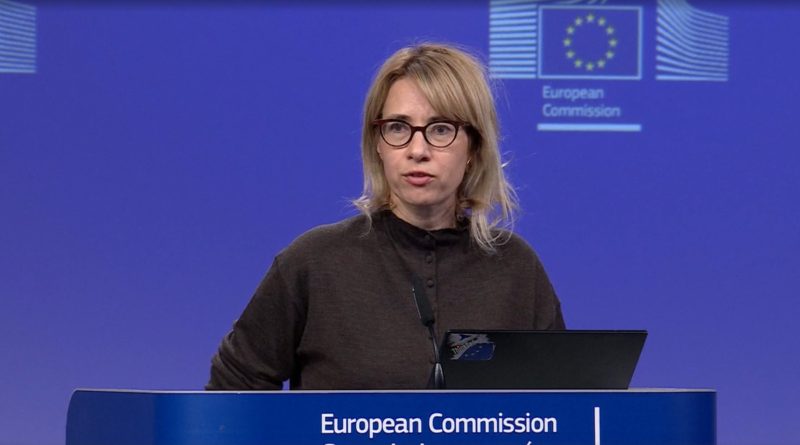
The European Commission spokesperson confirmed that conversations with Russia are continuing at various levels, though specific details about the agenda or outcomes of these diplomatic meetings have not been publicly disclosed. This acknowledgment from Brussels suggests that despite the unprecedented sanctions regime and diplomatic isolation measures imposed on Moscow, European officials remain committed to keeping certain communication pathways open. The approach reflects a delicate balancing act between maintaining pressure on Russia while preserving opportunities for dialogue that could potentially contribute to de-escalation.
The simultaneous arrival of ambassadors from Germany, France, and the United Kingdom is particularly noteworthy given the historical significance of these three nations in European security architecture. Germany, as Europe’s largest economy and a country with complex historical ties to Russia through energy dependence and post-Cold War cooperation, has been navigating a dramatic shift in its foreign policy stance. The country’s landmark decision to increase military spending and supply weapons to Ukraine marked a significant departure from decades of cautious engagement with Moscow. France, under President Emmanuel Macron, has consistently advocated for maintaining dialogue with Russian leadership, even as Paris has strongly supported Ukraine’s sovereignty and territorial integrity.
The United Kingdom’s participation in this diplomatic engagement adds another layer of significance, as London has been among the most vocal critics of Russian actions and one of the earliest and most substantial providers of military assistance to Kyiv. The presence of the British ambassador alongside European Union member state representatives also underscores that despite Brexit, the UK remains closely coordinated with its continental allies on matters of European security. This unity of purpose among Western powers has been a consistent feature of the international response to the conflict.
The continuation of diplomatic contacts at multiple levels, as confirmed by the European Commission, reflects a pragmatic approach to international relations during one of the most challenging periods in post-Cold War European history. Such communications can serve various purposes, including addressing consular matters, discussing prisoner exchanges, or exploring potential avenues for conflict resolution. Throughout history, even during the darkest periods of international confrontation, maintaining some form of diplomatic dialogue has often proven essential for preventing further escalation and eventually finding pathways to peace.
Analysts note that these diplomatic engagements occur against a backdrop of intense international discussions about potential peace negotiations. Various world leaders and international figures have proposed different frameworks for ending the conflict, though significant gaps remain between the positions of the involved parties. The role of European diplomacy in this context remains crucial, as any sustainable resolution to the crisis would require engagement from major European powers who have both security interests in the region and significant economic relationships at stake.
The coming days and weeks may reveal more about the substance and outcomes of these high-level diplomatic contacts. For now, the visible presence of three major Western ambassadors at the Russian Foreign Ministry serves as a reminder that despite the profound rupture in relations between Russia and the West, the channels of diplomacy remain open. In the complex landscape of international relations, such continued engagement, however limited, represents an important element in the broader effort to manage the crisis and eventually work toward a resolution that can restore stability to the European continent.