
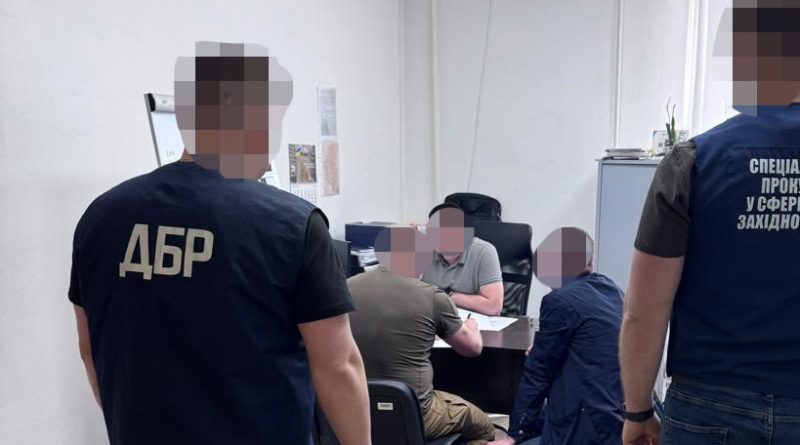
Recruitment Fraud Uncovered in Ternopil Region: Over 100 Active Soldiers Falsely Counted as New Conscripts
A significant corruption scandal has emerged in Ukraine’s Ternopil region, where territorial recruitment centers (known as TCC) have been caught inflating their conscription numbers by registering already-serving military personnel as newly recruited soldiers. According to a joint investigation conducted by the Security Service of Ukraine (SBU) and the State Bureau of Investigation (GBI), more than 100 cases of such fraudulent reporting have been documented, raising serious concerns about the integrity of Ukraine’s military mobilization system during wartime.
The investigation revealed that officials at Ternopil’s territorial recruitment centers systematically manipulated their reports to create the appearance of meeting or exceeding recruitment quotas. By counting soldiers who were already active in military service as fresh conscripts, these centers artificially boosted their performance metrics while failing to actually add new personnel to Ukraine’s armed forces. This deceptive practice not only undermines military planning and resource allocation but also represents a fundamental betrayal of national trust during a critical period of the ongoing conflict with Russia.
Territorial recruitment centers have been at the center of considerable controversy since Ukraine intensified its mobilization efforts following Russia’s full-scale invasion in February 2022. These centers are responsible for identifying eligible men for military service, processing conscription paperwork, and ensuring that Ukraine maintains adequate troop levels. The pressure to meet recruitment targets has been immense, with the country needing to continuously replenish its forces while facing a numerically superior adversary. However, this pressure has also created conditions where some officials have resorted to fraudulent practices rather than legitimate recruitment efforts.
The Ternopil case is unfortunately not an isolated incident in Ukraine’s struggle to maintain transparent and corruption-free mobilization. Throughout 2023 and 2024, numerous scandals have emerged involving TCC officials across various regions, including cases of bribery, illegal exemptions, and physical abuse of potential conscripts. President Volodymyr Zelensky has acknowledged these problems publicly and has implemented several reforms, including firing regional military commissioners and introducing stricter oversight mechanisms. The government has also launched digital tools like the Reserve+ app to make the mobilization process more transparent and reduce opportunities for corruption.
Experts in military affairs and anti-corruption efforts have noted that such fraudulent reporting practices have serious consequences beyond mere statistical manipulation. When recruitment centers report inflated numbers, military commanders may base strategic decisions on inaccurate troop strength data. This can lead to flawed operational planning, inadequate resource distribution, and potentially dangerous situations on the battlefield where expected reinforcements never materialize. Additionally, the resources supposedly allocated for training and equipping these phantom recruits could be siphoned off or misappropriated, representing another layer of potential corruption.
The discovery of this scheme reflects both the challenges and the determination of Ukrainian law enforcement agencies to root out corruption even during wartime. The SBU and GBI have significantly increased their anti-corruption activities since 2022, understanding that internal integrity is essential for maintaining international support and ensuring that Western military and financial aid reaches its intended recipients. Ukraine’s international partners, particularly the United States and European Union member states, have consistently emphasized the importance of anti-corruption measures as a condition for continued assistance, making investigations like the one in Ternopil crucial for Ukraine’s broader strategic interests.
The individuals responsible for the fraudulent reporting in Ternopil now face serious criminal charges under Ukrainian law. Military and civilian officials found guilty of such offenses can receive substantial prison sentences, and given the wartime context, courts have shown increasingly harsh treatment of those who undermine the nation’s defense capabilities. The investigation is reportedly ongoing, with authorities examining whether similar practices may have occurred in other regional recruitment centers across Ukraine. This case serves as both a warning to other potential offenders and a demonstration that Ukraine is committed to maintaining accountability within its military institutions despite the enormous pressures of defending against Russian aggression.