
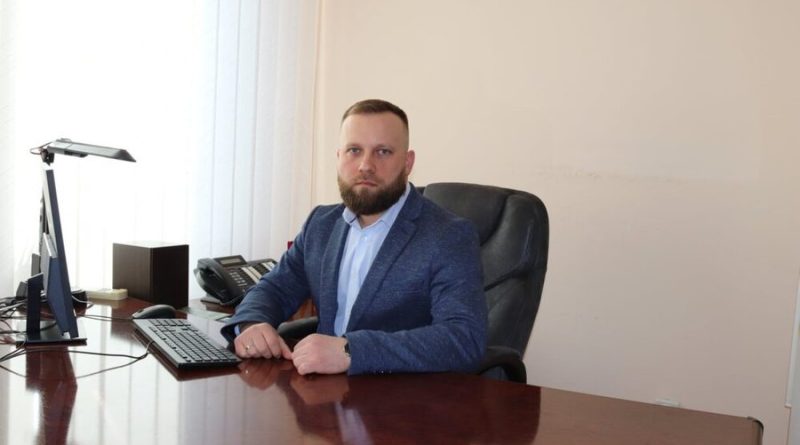
Wife of Acting Kyiv Anti-Corruption Bureau Chief Officially Earned Only $1,600 Despite Owning Dental Practice, Investigation Reveals
A new investigative report by Ukrainian anti-corruption journalism outlet Bihus.Info has uncovered significant discrepancies between the official income declarations and apparent lifestyle of Roman Lysakovsky, the acting head of the Bureau of Economic Security (BEB) in Kyiv. According to the investigation, Lysakovsky’s wife, who operates a dental practice, officially declared earnings of just 63,000 Ukrainian hryvnias (approximately $1,600) — a figure that raises serious questions given the typical revenue generated by private dental clinics in the Ukrainian capital.
The journalists discovered that substantial assets used by Lysakovsky are registered not in his name, but in the name of his mother. These assets reportedly include a house located near Kyiv and a personal vehicle. This practice of registering property under relatives’ names has become a common method among Ukrainian officials seeking to obscure their true wealth from public scrutiny and anti-corruption monitoring systems. The Bureau of Economic Security, ironically, is the very agency tasked with combating economic crimes and financial fraud in Ukraine.
The Bureau of Economic Security was established in 2021 as part of Ukraine’s broader anti-corruption reforms, many of which were requirements for the country’s European Union membership aspirations. The agency replaced the tax police and was designed to investigate economic crimes, including tax evasion, money laundering, and corruption. Officials serving in such institutions are expected to maintain the highest standards of transparency and are subject to mandatory asset declarations that are publicly accessible through Ukraine’s unified register of declarations.
This investigation comes at a particularly sensitive time for Ukraine, as the country continues to fight against Russian aggression while simultaneously attempting to demonstrate to Western partners that it is serious about rooting out corruption. International donors, including the United States and European Union member states, have repeatedly emphasized that continued financial and military support is contingent upon Ukraine making genuine progress in anti-corruption efforts. Cases involving law enforcement officials are especially damaging to public trust and Ukraine’s international reputation.
The practice of hiding assets through family members has been documented extensively in Ukraine’s post-Soviet landscape. Despite numerous reforms and the creation of specialized anti-corruption bodies such as the National Anti-Corruption Bureau (NABU) and the Specialized Anti-Corruption Prosecutor’s Office (SAPO), officials continue to find ways to circumvent declaration requirements. Experts note that while Ukraine has made significant progress in creating legal frameworks for transparency, enforcement remains inconsistent, particularly when investigations involve high-ranking officials.
The discrepancy between a dental practice owner’s declared income and typical earnings in the industry is particularly striking. Private dental clinics in Kyiv typically generate substantial revenue, with even modest practices earning several times the declared amount annually. Dental services in Ukraine’s capital city command premium prices, and the sector has remained profitable even during economic downturns. The low declared income raises questions about potential unreported earnings or possible tax evasion schemes.
Ukrainian civil society organizations have called for a thorough investigation into the matter, emphasizing that officials responsible for fighting economic crimes must be held to the strictest standards of accountability. The Bihus.Info investigation adds to a growing body of journalism exposing potential corruption among Ukrainian officials, demonstrating the vital role that independent media plays in maintaining government accountability. As Ukraine continues its path toward European integration, such investigations serve as crucial checks on those in positions of power and highlight the ongoing challenges the country faces in building truly transparent institutions.