
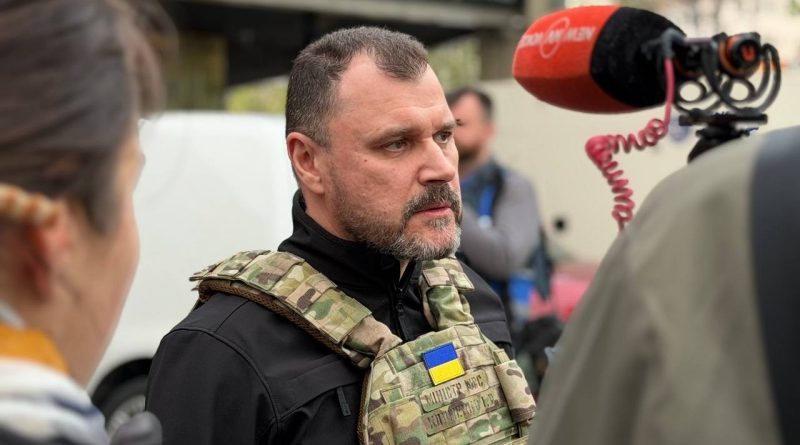
Ukrainian Interior Minister Reveals Police Officers Fled During Holosiivskyi District Terror Attack
In a striking admission that has sparked widespread public debate, Ukrainian Interior Minister Ihor Klymenko has disclosed that some police officers abandoned their posts and fled during a recent terrorist attack in Kyiv’s Holosiivskyi district. The revelation comes amid growing concerns about law enforcement readiness and personnel shortages across the country’s capital city, where the police force is currently operating with a significant 20% staffing deficit.
The minister’s candid acknowledgment of the officers’ actions during the attack has raised serious questions about training protocols, psychological preparedness, and the overall state of Ukraine’s police force during wartime conditions. Klymenko did not specify the exact number of officers involved or the specific circumstances that led to their departure from the scene, but the admission itself represents an unusual level of transparency from a senior government official regarding internal law enforcement failures.
The Holosiivskyi district, located in the southwestern part of Kyiv, is one of the capital’s largest administrative divisions, home to numerous residential areas, educational institutions, and commercial centers. The area has experienced multiple security incidents since Russia’s full-scale invasion began in February 2022, placing enormous pressure on local law enforcement to maintain public safety while operating under extraordinary circumstances. Terror attacks and security threats have become an unfortunate reality for residents throughout the capital, requiring police to respond to situations far beyond typical peacetime duties.
The 20% personnel shortage acknowledged by Minister Klymenko reflects a broader crisis facing Ukrainian law enforcement agencies. Since the outbreak of full-scale war, many police officers have transferred to military service or territorial defense units, while others have left their positions due to the intense psychological burden of working in a conflict zone. Recruitment efforts have struggled to keep pace with these departures, leaving remaining officers stretched thin across an increasing number of responsibilities. This understaffing has direct implications for response times, investigation quality, and the overall capacity of police to maintain order in urban areas.
Historical context provides important perspective on this situation. Ukraine’s National Police underwent significant reforms following the 2014 Maidan Revolution, with international partners helping to establish new training standards, accountability mechanisms, and professional expectations. The creation of the patrol police, modeled partly on Western law enforcement practices, was initially celebrated as a success story of institutional transformation. However, the unprecedented demands of wartime policing have tested these reforms in ways that could not have been anticipated during peacetime restructuring efforts.
Law enforcement experts have noted that fleeing from danger contradicts fundamental police training principles, which emphasize duty to protect civilians and maintain order regardless of personal risk. However, some analysts have also pointed out that the psychological toll of constant exposure to warfare, combined with inadequate mental health support and overwhelming workloads, can compromise even well-trained officers’ ability to perform under extreme stress. The incident raises important questions about whether current support systems for Ukrainian police are adequate given wartime conditions, and whether additional resources should be directed toward psychological resilience training and post-traumatic stress management.
Minister Klymenko’s public disclosure of the incident suggests potential disciplinary actions may follow, though no specific consequences have been announced. Ukrainian authorities have generally maintained strict expectations for law enforcement conduct throughout the war, with previous cases of dereliction of duty resulting in dismissals and criminal charges. The Interior Ministry has emphasized its commitment to maintaining professional standards while acknowledging the extraordinary challenges facing officers on the ground. Moving forward, addressing both the personnel shortage and the underlying conditions that may have contributed to the officers’ actions will be essential for restoring public confidence in the capital’s law enforcement capabilities.