
Ukraine Receives No Free Military Aid from Bulgaria – All Defense Cooperation on Commercial Basis, Ministry Confirms
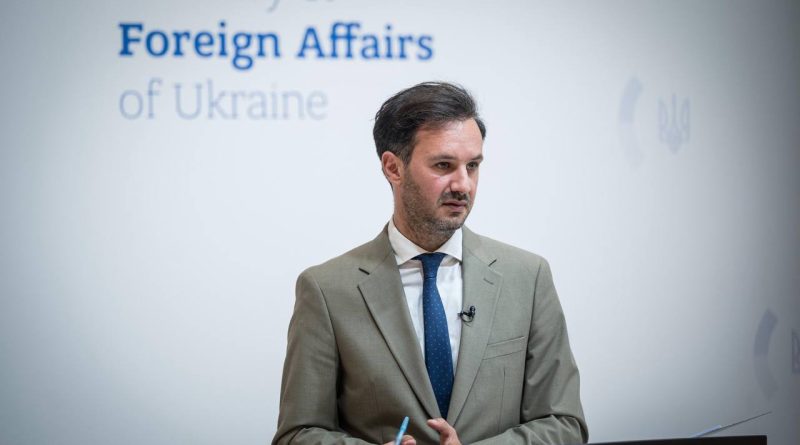
The Ukrainian Ministry of Foreign Affairs has officially clarified the nature of defense cooperation between Ukraine and Bulgaria, emphasizing that all military assistance from the Balkan nation operates strictly on a commercial basis. Ministry spokesperson Georgiy Tykhyi made the statement to address misconceptions about the bilateral relationship, confirming that Ukraine does not receive any free military aid from Bulgaria. This clarification comes amid ongoing discussions about international support for Ukraine and the various forms it takes across different European nations.
Bulgaria’s position regarding military assistance to Ukraine has been notably different from many of its NATO allies since the full-scale Russian invasion began in February 2022. While countries like the United States, United Kingdom, Germany, and Poland have provided substantial military aid packages either free of charge or through lend-lease arrangements, Bulgaria has maintained a more cautious approach. The country’s complex historical and economic ties with Russia, including significant energy dependence, have influenced its foreign policy decisions. Bulgaria has consistently stated that it would not provide weapons directly to Ukraine, though it has allowed the repair of Ukrainian military equipment on its territory and has engaged in commercial defense transactions.
The commercial nature of Bulgarian-Ukrainian defense cooperation reflects Sofia’s attempt to balance its NATO commitments with domestic political realities. Bulgaria possesses significant stocks of Soviet-era weapons and ammunition that are compatible with Ukraine’s military equipment, making it a potentially valuable supplier. The country’s defense industry has historically produced ammunition, small arms, and various military components that could be useful for Ukrainian forces. However, rather than donating these materials, Bulgaria has opted to sell them through commercial channels, allowing the government to maintain a degree of political distance while still participating in the broader Western effort to support Ukraine.
This approach has not been without controversy both domestically and internationally. Within Bulgaria, political debates have raged between pro-Western factions who argue the country should do more to support Ukraine and those who advocate for maintaining closer ties with Russia. The country experienced significant political instability in recent years, with multiple elections and short-lived governments struggling to form lasting coalitions. These internal divisions have made it difficult for Bulgaria to adopt a more decisive stance on military aid to Ukraine. Meanwhile, some international observers have criticized Sofia for not providing more robust support, while others have acknowledged the complex geopolitical position the country occupies.
The distinction between commercial and gratuitous military aid carries significant implications for both donor countries and Ukraine. Free military assistance represents a direct investment in Ukraine’s defense capabilities and is often funded through special government appropriations or existing military stocks. Commercial transactions, on the other hand, require Ukraine to allocate funds from its own budget or rely on financial support from international partners to make purchases. This distinction becomes particularly important when considering Ukraine’s limited financial resources during wartime and its dependence on international financial assistance to maintain both military operations and basic government functions.
Bulgaria’s defense industry has nonetheless seen increased activity since the start of the conflict. Reports have indicated that Bulgarian ammunition manufacturers have ramped up production to meet demand, with much of this output finding its way to Ukraine through various commercial channels. Some transactions have reportedly been facilitated through third countries, adding layers of complexity to the supply chain. The European Union has also established mechanisms to jointly procure ammunition for Ukraine, and Bulgaria has participated in some of these initiatives, further blurring the lines between direct bilateral cooperation and multilateral efforts.
The clarification from Ukraine’s Foreign Ministry appears designed to set the record straight about the nature of support Kyiv receives from various partners. As the war continues and international attention focuses on the sustainability of support for Ukraine, accurate information about which countries provide what types of assistance becomes increasingly important. For Bulgaria, the commercial approach allows continued participation in supporting Ukraine’s defense needs while navigating the country’s unique political landscape. For Ukraine, acknowledging this reality helps manage expectations and provides a clearer picture of the diverse forms of international cooperation sustaining its war effort.