
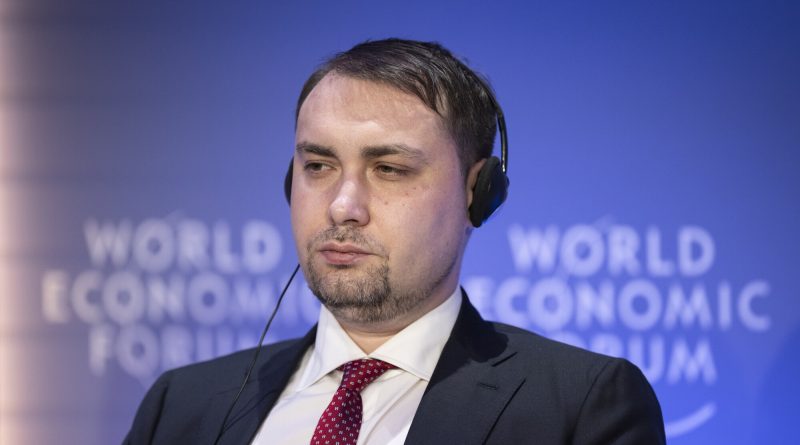
Ukraine’s Intelligence Chief Meets Polish Diplomat Amid Controversy Over UPA Heroes Military Unit
In a significant diplomatic engagement aimed at addressing historical tensions between the two neighboring nations, Kyrylo Budanov, the head of Ukraine’s Main Intelligence Directorate (HUR), held talks with a senior Polish diplomat. The meeting, which Warsaw confirmed was initiated by Kyiv, centered on a particularly sensitive issue: the formation of a Ukrainian military unit named after the “Heroes of the Ukrainian Insurgent Army” (UPA). This naming decision has sparked considerable controversy in Poland, where memories of World War II-era conflicts between Polish civilians and Ukrainian nationalist forces remain deeply painful.
The discussions represent a delicate balancing act for both nations as they navigate their strategic partnership during Russia’s ongoing invasion of Ukraine. Poland has emerged as one of Ukraine’s most steadfast allies since February 2022, providing substantial military aid, hosting millions of Ukrainian refugees, and serving as a crucial logistics hub for Western support. However, the decision to honor the UPA – a nationalist military formation that fought for Ukrainian independence during and after World War II – has reopened old wounds that many hoped had been laid to rest.
The Ukrainian Insurgent Army remains one of the most contentious historical subjects in Polish-Ukrainian relations. Founded in 1942, the UPA fought against Nazi German occupation, Soviet forces, and Polish underground resistance movements. The organization’s legacy is particularly controversial due to its involvement in the Volhynian massacre of 1943-1944, during which an estimated 50,000 to 100,000 ethnic Poles were killed in what is now western Ukraine. In Poland, these events are commemorated as genocide, while in Ukraine, the UPA is often remembered primarily for its struggle for national independence against Soviet domination. This fundamental difference in historical interpretation has periodically strained relations between the two countries, even as they have built an increasingly close partnership in the post-Soviet era.
Warsaw’s response to the naming of the military unit has been measured but firm. Polish officials have emphasized that while they remain committed to supporting Ukraine’s defense against Russian aggression, certain historical red lines cannot be crossed without discussion. The Polish government has historically demanded acknowledgment of the suffering of Polish civilians during the Volhynian tragedy, and many Polish politicians view the glorification of UPA figures as insensitive to this national trauma. The fact that Warsaw specifically noted the meeting was held at Ukraine’s initiative suggests that Kyiv recognizes the need to address Polish concerns directly rather than allowing the issue to fester and potentially damage the broader strategic relationship.
For Ukraine, the naming of military units after historical figures who fought for independence carries profound symbolic significance, particularly during the current existential struggle against Russian invasion. The UPA’s resistance against Soviet forces resonates with many Ukrainians as a precursor to their current fight for sovereignty and self-determination. President Volodymyr Zelenskyy’s government has sought to build national unity by honoring various historical resistance movements, though this approach has occasionally complicated diplomatic relations with neighboring countries. Intelligence chief Budanov, who has become one of the most prominent figures in Ukraine’s war effort and is known for his direct approach, appears to be taking a pragmatic stance by engaging Polish concerns directly.
The timing of these discussions is particularly noteworthy given the broader geopolitical context. As the war enters its third year, Ukraine remains heavily dependent on Western support, and maintaining unity among its allies is crucial. Poland’s role extends beyond bilateral relations – as a NATO member and European Union state, Warsaw’s position influences broader European attitudes toward Ukraine. Any significant rift between Kyiv and Warsaw could potentially affect the flow of military aid and diplomatic support from other Western nations. Both governments appear to understand these stakes, which likely explains the willingness to engage in sensitive historical discussions even amid the pressing demands of the ongoing conflict.
Analysts suggest that finding common ground on historical issues while maintaining the strategic partnership will require careful diplomacy from both sides. Some experts have proposed joint historical commissions, memorial projects, or educational initiatives that acknowledge the suffering of all victims of World War II-era violence in the region. The meeting between Budanov and the Polish diplomat may represent a first step toward such reconciliation efforts, though concrete outcomes remain to be seen. What is clear is that both nations recognize the importance of their alliance and appear willing to engage in difficult conversations to preserve it, even as the shadow of the past continues to complicate their shared future.