
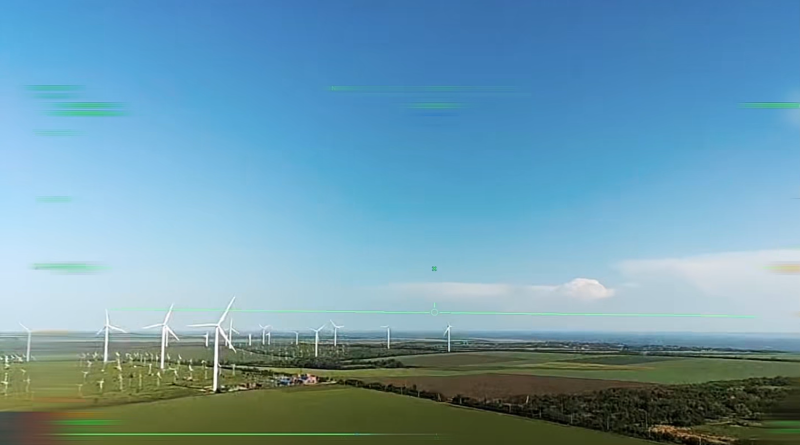
Azov Brigade Releases Footage of New Strikes on Russian Supply Routes Near Mariupol
The Azov Brigade has released new video footage documenting a series of precision strikes targeting Russian military supply routes in the vicinity of Mariupol, the strategic port city on the Sea of Azov that has been under Russian occupation since May 2022. In a statement accompanying the footage, brigade representatives declared that there would no longer be any safe zones for Russian forces in the Azov Sea region, signaling an intensification of Ukrainian military operations in the area.
The strikes appear to target key logistics arteries that Russian forces have been using to transport military equipment, ammunition, and personnel through the occupied territories. These supply lines have become increasingly critical for Moscow’s military operations in southern Ukraine, as they connect the Russian mainland to occupied Crimea and the broader southern front. The ability to disrupt these routes represents a significant tactical advantage for Ukrainian forces seeking to weaken Russian defensive positions and logistics capabilities.
Mariupol holds immense symbolic and strategic importance for both sides of the conflict. The city became a symbol of Ukrainian resistance during the brutal siege in the spring of 2022, when defenders, including members of the Azov Brigade, held out for nearly three months at the Azovstal steel plant against overwhelming Russian forces. The siege resulted in widespread destruction of the city and significant civilian casualties, with some estimates suggesting that over 20,000 residents may have perished during the Russian assault. The eventual fall of Mariupol gave Russia control of a vital land corridor connecting the Donbas region to Crimea.
The Azov Brigade, which originated as a volunteer battalion in 2014 during the initial conflict in eastern Ukraine, has since been integrated into the Ukrainian National Guard as a regular military unit. The brigade has undergone significant professionalization and expansion since the full-scale Russian invasion began in February 2022. Many of its members who survived the Mariupol siege were eventually released in prisoner exchanges, returning to active combat duty with renewed determination to liberate their home city and the surrounding region.
Military analysts suggest that Ukraine’s growing capability to strike deep behind enemy lines in the Azov region reflects the country’s improved access to long-range precision weapons and enhanced intelligence capabilities. Western military aid, including advanced missile systems and drones, has enabled Ukrainian forces to target Russian logistics infrastructure with increasing accuracy. The disruption of supply routes forces Russian commanders to seek alternative, often longer and more vulnerable paths for resupply, straining their already stretched logistics networks.
The Sea of Azov region has become a critical theater of operations as Ukraine seeks to challenge Russian dominance in the area. Control of the coastline and associated infrastructure has significant economic implications as well, since Mariupol was once a major industrial hub and one of Ukraine’s largest ports for steel and grain exports. The ongoing strikes suggest that Ukrainian military planners are committed to making Russian occupation of the region as costly and difficult as possible, even if a full liberation of the territory remains a long-term objective.
The latest operations by the Azov Brigade come amid broader Ukrainian efforts to maintain pressure on Russian positions across multiple fronts. As the conflict continues into its third year, both sides have adapted their tactics and strategies. For Ukraine, the ability to conduct effective strikes against Russian rear areas and supply lines has become an essential component of their defensive and offensive operations. The message from the Azov Brigade is clear: Russian forces in the occupied Azov region will face continued and intensifying resistance, with no territory considered secure from Ukrainian strikes.