
Israel Warns United States of Renewed Iranian Assassination Plot Against President Trump
In a significant development that underscores the ongoing tensions between Washington and Tehran, Israel has reportedly alerted American intelligence agencies to new Iranian plans to assassinate President Donald Trump. The warning, first reported by The Wall Street Journal, adds another layer of complexity to the already fraught relationship between the United States and Iran, raising serious concerns about the security of the American president and the potential for escalating conflict in the Middle East.
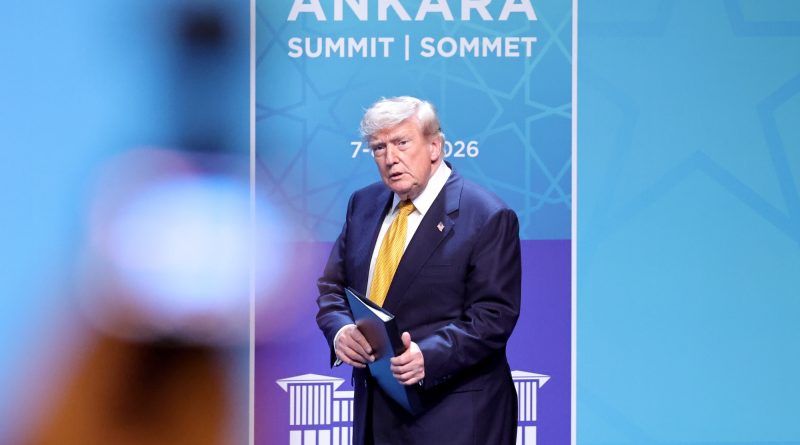
President Trump himself confirmed the existence of these threats during the NATO summit held in Ankara, Turkey. Speaking to reporters, the president acknowledged that Iranian operatives are actively seeking to “eliminate” him, lending credibility to the intelligence shared by Israeli authorities. This public confirmation represents a rare moment of transparency regarding presidential security threats and signals the gravity with which the administration is treating the Iranian menace.
The relationship between the United States and Iran has been marked by hostility and distrust for decades, dating back to the 1979 Iranian Revolution and the subsequent hostage crisis at the American embassy in Tehran. The tensions escalated dramatically in January 2020 when a U.S. drone strike in Baghdad killed General Qasem Soleimani, the commander of Iran’s Quds Force and one of the most powerful figures in the Iranian regime. Soleimani was considered the architect of Iran’s regional influence operations and military strategy across the Middle East, and Tehran vowed revenge for his death, promising retaliation that would match the significance of the loss.
Intelligence experts have long warned that Iran possesses both the motivation and capability to conduct assassination operations abroad. The Islamic Revolutionary Guard Corps (IRGC) and its external operations wing have been linked to numerous plots targeting dissidents, opposition figures, and foreign officials across Europe, the Middle East, and beyond. Previous attempts to target American officials on U.S. soil have been documented, including a foiled 2011 plot to assassinate the Saudi Arabian ambassador to Washington at a restaurant in the American capital.
Israel’s role as the source of this intelligence highlights the deep security cooperation between Jerusalem and Washington, particularly regarding Iranian threats. Israeli intelligence services, including Mossad, are widely regarded as having exceptional human intelligence networks within Iran and have previously provided crucial information about Tehran’s nuclear program and military activities. The sharing of this specific threat information demonstrates the strategic alignment between the two nations in confronting what both consider their primary adversary in the region.
The timing of this revelation comes amid broader regional instability and ongoing negotiations regarding Iran’s nuclear ambitions. The Trump administration’s previous withdrawal from the Joint Comprehensive Plan of Action (JCPOA), commonly known as the Iran nuclear deal, and the implementation of a “maximum pressure” sanctions campaign have created significant economic hardship in Iran while failing to bring Tehran back to the negotiating table on American terms. Some analysts suggest that assassination plots against high-profile American targets could represent Iran’s asymmetric response to this pressure, seeking to inflict costs on the United States without engaging in direct military confrontation.
Security officials in Washington are reportedly taking the threat with utmost seriousness, implementing enhanced protective measures around the president and other potential targets. The Secret Service, which is responsible for presidential protection, has not commented publicly on specific security protocols but has historically demonstrated the ability to adapt to evolving threat landscapes. The agency works closely with intelligence community partners to identify and neutralize potential threats before they can materialize into actual attacks.
As diplomatic channels between Washington and Tehran remain largely frozen, the prospect of Iranian-sponsored violence against American leadership raises profound questions about the future trajectory of U.S.-Iran relations. Whether this latest threat will prompt a military response, additional sanctions, or renewed diplomatic engagement remains to be seen. What is clear is that the shadow war between these two adversaries continues to intensify, with potentially devastating consequences for regional and global stability should deterrence fail.