
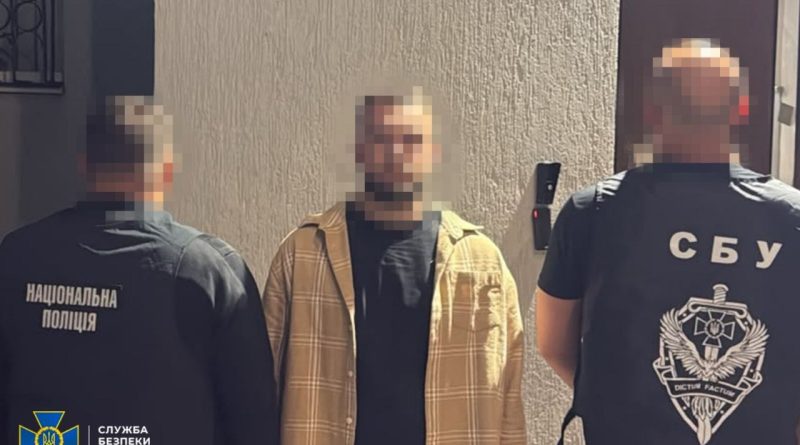
Four More Suspects Detained in Lviv Following Violent Confrontation with Military Recruitment Officers
Ukrainian law enforcement authorities have apprehended four additional individuals in connection with a violent altercation that erupted between civilians and representatives of the Territorial Recruitment Center (TCC) in the Sykhiv district of Lviv. The incident, which occurred on Chervona Kalyna Avenue, has drawn significant attention amid ongoing tensions surrounding military mobilization efforts across Ukraine. Police officials confirmed that formal suspicion notices are currently being prepared for all detained men, signaling the seriousness with which authorities are treating the confrontation.
The clash represents one of several incidents that have occurred throughout Ukraine as military recruitment efforts have intensified since the beginning of Russia’s full-scale invasion in February 2022. TCC officers, tasked with delivering summons and facilitating the mobilization process, have occasionally encountered resistance from individuals seeking to avoid military service. Such confrontations have become a sensitive issue for Ukrainian society, which must balance the urgent need for military personnel with individual rights and proper legal procedures.
According to preliminary reports from local law enforcement, the altercation on Chervona Kalyna Avenue involved physical confrontation between the detained individuals and TCC representatives who were conducting their official duties in the Sykhiv neighborhood. The exact circumstances that triggered the violence remain under investigation, but witnesses described a tense situation that quickly escalated. Sykhiv, one of Lviv’s largest residential districts with a population exceeding 150,000, has been a focal point for recruitment activities due to its dense population of working-age men.
The Ukrainian government has implemented several rounds of mobilization since the war began, with legislation requiring men aged 18 to 60 to register with territorial recruitment centers. In April 2024, President Volodymyr Zelensky signed an updated mobilization law that lowered the conscription age from 27 to 25 and introduced stricter penalties for draft evasion. These measures have been deemed necessary to replenish military ranks after more than two years of intense fighting, but they have also generated considerable public debate about the implementation methods employed by TCC personnel.
Legal experts note that obstruction of military recruitment officers in the performance of their duties constitutes a criminal offense under Ukrainian law, potentially carrying significant penalties including imprisonment. The charges being prepared against the four detained men could include resistance to law enforcement, assault on officials, and interference with mobilization procedures. Defense attorneys have occasionally argued that some TCC officers have exceeded their authority or employed improper methods, leading to confrontations that might otherwise have been avoided through proper legal channels.
The situation in Lviv reflects broader challenges facing Ukrainian authorities as they work to maintain adequate troop levels while preserving public trust in the mobilization system. Western Ukraine, including Lviv Oblast, has been relatively protected from direct combat operations, though the region has served as a crucial logistics hub and has received hundreds of thousands of internally displaced persons from eastern and southern regions. The city’s relative safety has made it an attractive destination for those seeking to avoid the front lines, creating additional pressure on local recruitment efforts.
Ukrainian officials have acknowledged problems within the mobilization system and have taken steps to address complaints about TCC conduct. Several recruitment officers across the country have faced disciplinary action or criminal charges for corruption, abuse of power, or improper detention of civilians. President Zelensky has emphasized the need for fair and transparent mobilization procedures, while military commanders stress that adequate personnel remains essential for Ukraine’s defense against Russian aggression. The balance between these imperatives continues to challenge policymakers as the conflict enters its fourth year.
The investigation into the Sykhiv incident is ongoing, with authorities promising full transparency regarding the circumstances of the confrontation. Local community leaders have called for calm and urged residents to resolve any disputes with TCC representatives through legal channels rather than physical confrontation. The outcome of this case may set important precedents for how similar incidents are handled across Ukraine, as the nation continues its difficult mobilization efforts while fighting to preserve both its territorial integrity and democratic values.