
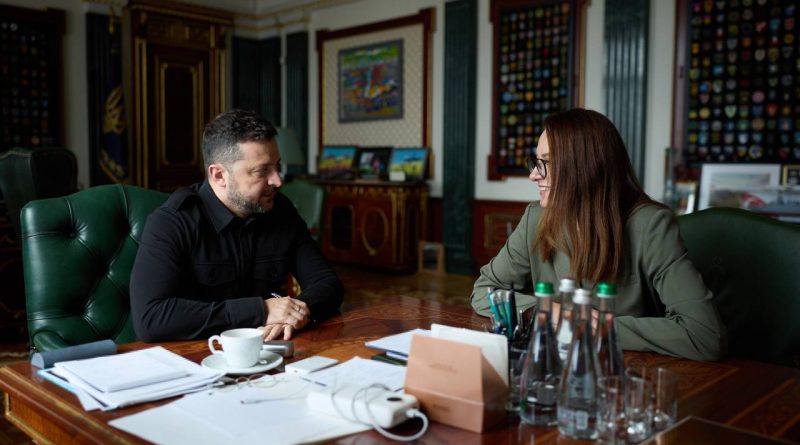
Zelensky Offers Prime Minister Svyrydenko New Position Amid Strategic Government Reshuffle
Ukrainian President Volodymyr Zelensky has proposed a new role to Prime Minister Yulia Svyrydenko as part of a broader governmental restructuring initiative. The president explicitly linked these personnel changes to the implementation of a new political strategy designed to address the evolving challenges facing Ukraine during wartime conditions. This move signals a potential shift in the country’s executive leadership structure at a critical juncture in the ongoing conflict with Russia.
Yulia Svyrydenko, who has served as First Deputy Prime Minister and Minister of Economy since 2021 before her elevation to the prime ministerial role, has been a central figure in managing Ukraine’s wartime economy. Her tenure has been marked by the extraordinary challenge of maintaining economic stability while the country faces ongoing Russian military aggression, widespread infrastructure destruction, and the displacement of millions of citizens. Svyrydenko has been instrumental in negotiating international financial assistance packages and implementing economic reforms required for Ukraine’s European Union accession process.
The proposed reshuffling reflects Zelensky’s ongoing efforts to optimize his government’s performance during what many analysts consider the most challenging period in Ukraine’s modern history. Since the full-scale Russian invasion began in February 2022, the Ukrainian government has undergone several significant personnel changes aimed at improving efficiency, combating corruption, and ensuring that key positions are filled by individuals capable of meeting wartime demands. These changes have sometimes been controversial, with critics questioning the timing of major governmental shifts during active military operations.
Ukraine’s political landscape has been characterized by a delicate balance between maintaining democratic governance and exercising the executive authority necessary for effective wartime leadership. President Zelensky has utilized martial law provisions to consolidate decision-making while simultaneously working to preserve institutional integrity and international credibility. Western allies, particularly the United States and European Union member states, have closely monitored these governmental changes, as continued support depends partly on Ukraine’s commitment to democratic principles and anti-corruption measures.
The timing of this announcement is particularly significant given Ukraine’s ongoing diplomatic efforts and the complex international environment surrounding the conflict. As peace negotiations remain a topic of intense discussion among global powers, having a stable and effective government structure becomes even more critical. Any changes in key leadership positions could affect Ukraine’s negotiating posture and its ability to implement potential agreements. Furthermore, the country’s bid for European Union membership requires consistent progress on institutional reforms, making governmental stability a priority for both domestic and international stakeholders.
Economic considerations also play a crucial role in understanding these personnel decisions. Ukraine’s economy has demonstrated remarkable resilience despite the devastating impact of war, but significant challenges remain. The country relies heavily on international financial support, with billions of dollars in aid flowing from Western nations and international financial institutions. Managing these resources effectively while rebuilding infrastructure and maintaining social services requires experienced economic leadership. Svyrydenko’s background in economics and finance has made her a valuable asset in these efforts, and any new position she assumes would likely leverage this expertise.
As Ukraine continues to navigate the complexities of war, diplomacy, and domestic governance, the outcomes of these leadership changes will be closely watched by international observers. The country’s ability to maintain governmental effectiveness while pursuing both military objectives and European integration goals will significantly impact its future trajectory. President Zelensky’s strategic approach to personnel management reflects the broader challenges of leading a nation through an existential crisis while positioning it for eventual post-war recovery and development. The specific details of Svyrydenko’s proposed new role and the broader implications for Ukraine’s governmental structure are expected to become clearer in the coming days as official announcements are made.