
Mobilized Soldier with Documented Violations Receives Life Sentence for Killing Instructors, Prompting Ombudsman Investigation
A Ukrainian military court has handed down a life sentence to a mobilized soldier convicted of killing military instructors at a combat training facility, a case that has now prompted the Ukrainian Parliament’s Human Rights Commissioner to launch a comprehensive investigation into the circumstances surrounding both the crime and the defendant’s conscription process. The tragic incident, which occurred last year at a basic military training center (BZVP), has raised serious questions about mobilization procedures and the screening of recruits entering the armed forces during wartime.
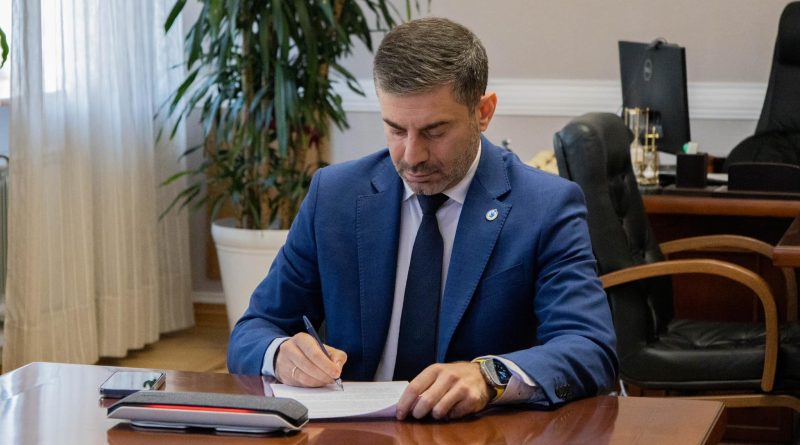
Ukrainian Ombudsman Dmytro Lubinets announced that he has formally requested multiple government agencies to conduct thorough reviews of all aspects of this case. The investigation will examine not only the events that led to the deadly shooting but also the mobilization process that brought the convicted individual into military service in the first place. According to available information, the soldier was conscripted despite documented violations and potential red flags that should have been identified during the recruitment process.
The case has highlighted ongoing concerns about the mobilization system in Ukraine, which has been operating under intense pressure since the full-scale Russian invasion began in February 2022. With the country facing an existential threat, the armed forces have needed to rapidly expand their ranks, sometimes leading to expedited processing of conscripts. Military experts have long warned that inadequate screening procedures could result in individuals with psychological issues, criminal backgrounds, or other disqualifying factors slipping through the system. This tragedy appears to validate those concerns and underscores the need for more rigorous vetting protocols.
Basic military training centers, known in Ukrainian as BZVP (Bases for Preparation of Military Personnel), serve as the first point of contact for newly mobilized soldiers before they are assigned to combat units. These facilities are staffed by experienced instructors tasked with transforming civilians into combat-ready personnel within a compressed timeframe. The instructors who lost their lives were performing this critical function, preparing Ukraine’s defenders for the realities of modern warfare. Their deaths represent not only a personal tragedy for their families but also a significant loss for Ukraine’s military training infrastructure.
The Ombudsman’s intervention reflects broader institutional concerns about accountability within the mobilization system. Lubinets has requested information from the Ministry of Defense, the General Staff, and relevant territorial recruitment centers to establish a complete picture of how the convicted soldier was processed for military service. This multi-agency approach suggests that the investigation will examine potential failures at various levels of the bureaucracy. If systemic problems are identified, the findings could lead to significant reforms in how Ukraine screens and processes conscripts.
Ukraine’s mobilization efforts have been a subject of intense domestic debate since the war began. The government has had to balance the urgent need for military personnel against concerns about fairness, transparency, and the protection of individual rights. Recent legislative changes have attempted to modernize the mobilization system, including digital registration requirements and updated medical examination protocols. However, implementation has been uneven, and cases like this one demonstrate that significant gaps remain in the system’s ability to identify potentially dangerous individuals before they enter military service.
The life sentence handed down to the perpetrator represents the most severe punishment available under Ukrainian law and reflects the gravity of the crime. Killing fellow service members, particularly instructors responsible for training defenders, is considered one of the most serious offenses within the military justice system. However, Lubinets has indicated that justice for the victims must be accompanied by accountability for any officials who failed to properly screen the defendant before his mobilization. The Ombudsman’s office has committed to making its findings public and recommending concrete measures to prevent similar tragedies in the future, ensuring that those who serve Ukraine can trust that their fellow soldiers have been properly vetted for service.