
European Union Must Find a Representative for Negotiations with Russia, Says Italian Prime Minister
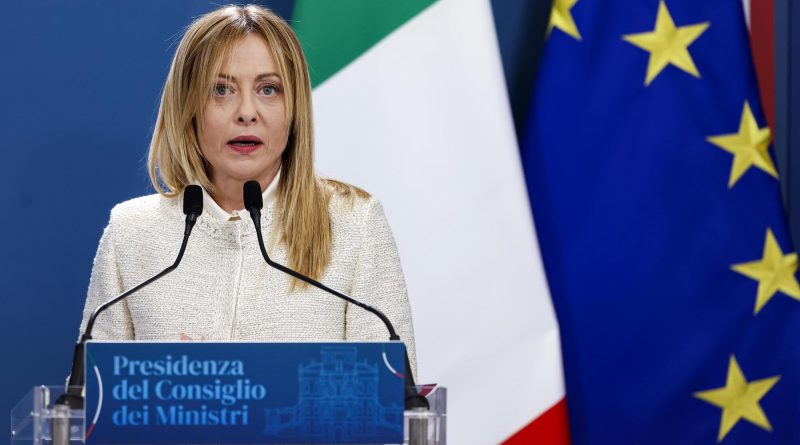
Italian Prime Minister Giorgia Meloni has called for the European Union to establish a unified voice in potential negotiations with Russia, stating that none of the current diplomatic formats possess the legitimacy to speak on behalf of the entire continent. The statement comes at a critical juncture in European security discussions, as the ongoing conflict in Ukraine continues to reshape geopolitical relationships and test the cohesion of Western alliances.
Meloni’s remarks highlight a persistent challenge facing the European Union: the lack of a single authoritative figure or body empowered to conduct high-stakes diplomatic negotiations with major powers like Russia. While the EU has various institutional leaders, including the President of the European Commission and the High Representative for Foreign Affairs, none of these positions currently carries the mandate to negotiate binding agreements on behalf of all 27 member states in matters of war and peace.
The Italian leader’s call for a designated European negotiator reflects growing concerns about Europe’s diminishing influence in shaping the outcome of the Ukraine conflict. As discussions about potential peace talks have intensified in recent months, European nations have found themselves navigating a complex diplomatic landscape where the United States often takes the lead in engaging with Moscow. This dynamic has raised questions about whether European interests are being adequately represented in conversations that could fundamentally alter the continent’s security architecture for generations to come.
Historically, the European Union has struggled with the challenge of speaking with one voice on foreign policy matters. The bloc’s consensus-based decision-making process, while ensuring that all member states have input, often results in slow responses and watered-down positions. Major foreign policy decisions require unanimous approval from all member nations, meaning that a single country can effectively veto collective action. This structural limitation has been particularly evident during the Ukraine crisis, where member states have occasionally diverged on issues ranging from sanctions enforcement to military aid provisions.
The question of who should represent Europe in talks with Russia carries significant historical weight. Throughout the Cold War era, European nations largely deferred to American leadership within the NATO framework when dealing with the Soviet Union. However, the post-Cold War period saw efforts to develop a more autonomous European foreign and security policy, culminating in the creation of positions like the High Representative for Foreign Affairs and Security Policy. Despite these institutional developments, Europe has continued to lack a single figure with the authority and legitimacy to engage in the kind of great power diplomacy that the current moment demands.
Meloni’s position also reflects Italy’s particular perspective within the European framework. As one of the EU’s founding members and largest economies, Italy has traditionally advocated for stronger European integration while also maintaining pragmatic diplomatic relationships. The Italian government has been a firm supporter of Ukraine while simultaneously recognizing the need for eventual diplomatic solutions to end the conflict. This balanced approach positions Rome as a potential bridge-builder within the bloc, though Meloni’s call for a unified negotiator suggests frustration with the current fragmented approach.
The debate over European representation in Russia negotiations also touches on broader questions about the future of transatlantic relations. With shifting political dynamics in the United States and growing calls for European strategic autonomy, the continent faces pressure to develop more independent capabilities in both defense and diplomacy. Finding a legitimate voice to engage with Moscow would represent a significant step toward that goal, though achieving consensus on who should fill such a role remains a formidable challenge. As the conflict in Ukraine continues and the prospect of negotiations looms, the European Union will need to address this fundamental question of representation if it hopes to play a meaningful role in shaping any eventual peace settlement and the post-conflict security order in Europe.