
Ukraine Strikes Mariupol Seaport: Russian Logistics in Azov Region Disrupted
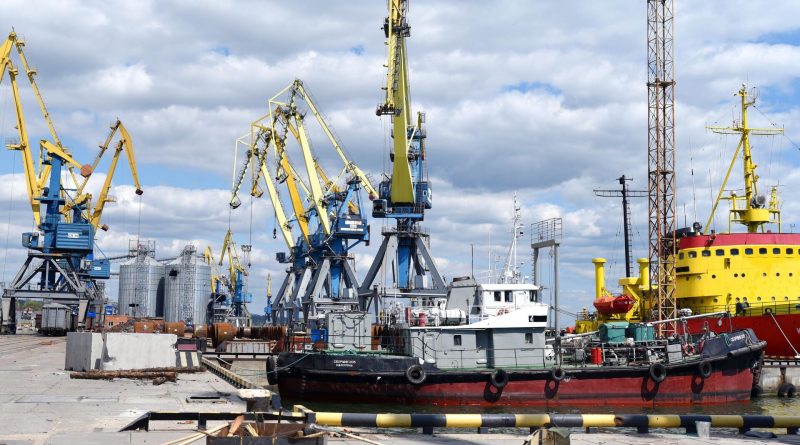
In a significant military operation, Ukrainian Defense Forces have successfully targeted the Mariupol seaport, causing substantial damage to Russian logistics operations in the Sea of Azov region. The strike resulted in damage to a dry cargo vessel belonging to Russia’s so-called “shadow fleet,” marking another blow to Moscow’s maritime supply chain in the occupied territories. Video footage of the attack has emerged, confirming the successful strike on this strategically important facility that has been under Russian control since the early months of the full-scale invasion.
The Mariupol seaport has served as a critical logistics hub for Russian forces since they captured the city in May 2022 after a brutal months-long siege. The port facility, located on the northern coast of the Sea of Azov, has been instrumental in supplying Russian military operations and supporting the occupation economy. Before the war, Mariupol was Ukraine’s largest port on the Azov Sea and a major center for steel exports, handling millions of tons of cargo annually through its deep-water terminals.
The concept of Russia’s “shadow fleet” refers to a network of aging tankers and cargo vessels operating under obscure ownership structures and flags of convenience. This fleet has been crucial for Russia’s attempts to circumvent Western sanctions imposed following the 2022 invasion of Ukraine. These vessels typically operate without proper insurance, use deceptive practices to hide their origins and destinations, and pose significant environmental and safety risks. The damage to one such vessel in Mariupol represents both a military and economic setback for Russian operations in the region.
Military analysts note that strikes on port infrastructure have become an increasingly important element of Ukraine’s strategy to disrupt Russian supply lines. The Sea of Azov, now essentially a closed body of water controlled by Russia following the destruction of the Kerch Strait Bridge’s rail capacity and ongoing Ukrainian attacks, has paradoxically become more vulnerable to Ukrainian long-range strike capabilities. Advanced drones and missiles have allowed Kyiv to project power into areas previously considered secure by Russian military planners.
The battle for control of logistics and supply routes has emerged as a decisive factor in the ongoing conflict. Russian forces rely heavily on maritime transport to supply their operations in southern Ukraine and the occupied territories, particularly given the pressure on land-based supply lines. The rail network through Crimea has faced repeated attacks, and road transport remains vulnerable to Ukrainian strikes. Each successful hit on port facilities or vessels compounds the logistical challenges facing Russian commanders attempting to sustain their military operations.
Mariupol itself remains a symbol of Ukrainian resistance and Russian brutality. The city’s Azovstal steel plant became world-famous in spring 2022 when Ukrainian defenders held out for weeks against overwhelming Russian forces, tying down significant enemy resources. The civilian population suffered tremendously during the siege, with estimates suggesting thousands of deaths and massive destruction of residential areas. Today, Russia has been attempting to rebuild parts of the city as a propaganda showcase, making the port’s continued vulnerability to Ukrainian strikes particularly embarrassing for Moscow.
The successful strike on the Mariupol seaport demonstrates Ukraine’s expanding capability to conduct precision operations deep within occupied territory. As Western allies continue to provide advanced weaponry and intelligence support, Ukrainian forces have shown increasing sophistication in targeting critical infrastructure. The disruption of Russian logistics in the Azov region could have cascading effects on military operations throughout southern Ukraine, potentially influencing the broader trajectory of the conflict as both sides prepare for continued fighting through 2025 and beyond.