
Russia Agrees to Allow Inspection of Prisoner Detention Facilities with Worst Conditions, Says Ukrainian Ombudsman
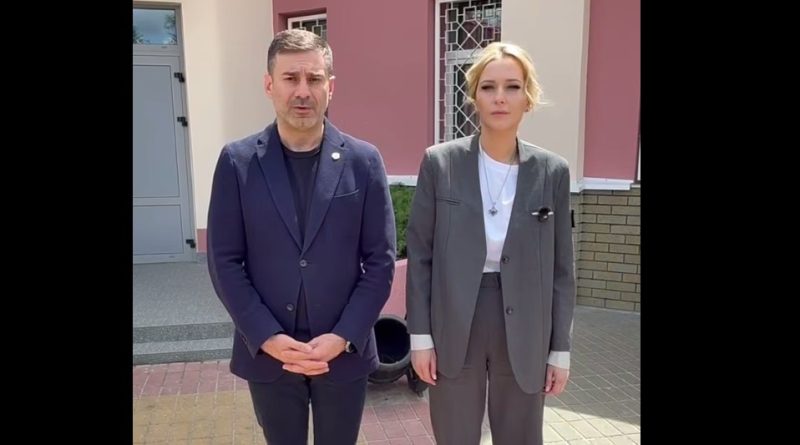
In a significant development regarding the ongoing humanitarian concerns surrounding the Russia-Ukraine conflict, Russian officials have reportedly agreed to allow visits to detention facilities holding Ukrainian prisoners of war where conditions are considered most severe. Ukrainian Parliamentary Commissioner for Human Rights Dmytro Lubinets announced this breakthrough following negotiations with his Russian counterpart, signaling a potential step forward in addressing the treatment of captured military personnel and civilians.
According to Lubinets, Russian Human Rights Commissioner Tatyana Moskalkova, through her representative Yana Lantratova, has also agreed to verify all prisoners of war and civilian hostages who have been held since both 2014 and 2022. This dual timeline is significant, as it encompasses individuals detained during the initial conflict in eastern Ukraine and Crimea’s annexation, as well as those captured following Russia’s full-scale invasion in February 2022. The verification process could potentially affect thousands of individuals whose fates have remained uncertain to their families and governments.
The issue of prisoner treatment has been one of the most contentious humanitarian aspects of the conflict. International human rights organizations, including the United Nations Human Rights Monitoring Mission and the International Committee of the Red Cross, have repeatedly expressed concerns about the conditions in which prisoners are held on both sides. Reports have emerged of overcrowding, inadequate medical care, limited access to family communication, and in some cases, allegations of mistreatment. The agreement to inspect facilities with the worst conditions suggests acknowledgment that significant problems exist and require external oversight.
The Geneva Conventions, which both Russia and Ukraine are signatories to, establish clear international standards for the treatment of prisoners of war. These include provisions for adequate food, shelter, medical care, and protection from violence or intimidation. The conventions also mandate that prisoners must be allowed to communicate with their families and receive visits from neutral organizations such as the Red Cross. However, implementation of these standards has been inconsistent throughout the conflict, with both sides accusing the other of violations.
Since the beginning of the full-scale invasion, prisoner exchanges have occurred periodically, with hundreds of individuals being released in carefully negotiated swaps facilitated by intermediaries including Turkey, Saudi Arabia, and the United Arab Emirates. These exchanges have often involved complex negotiations and have been used by both sides for diplomatic and propaganda purposes. However, thousands of prisoners remain in captivity, and their families continue to advocate for more transparent information about their loved ones’ conditions and welfare. The Ukrainian government has consistently prioritized the return of all captured citizens as a key diplomatic objective.
The reference to detainees held since 2014 highlights the long-standing nature of this humanitarian crisis. Following Russia’s annexation of Crimea and the outbreak of fighting in the Donbas region, numerous Ukrainian citizens, including military personnel, activists, and journalists, were detained by Russian forces or Russian-backed separatists. Many of these individuals have spent nearly a decade in custody, often with limited access to legal representation or contact with the outside world. Their inclusion in the verification agreement represents recognition that the current conflict did not begin in 2022 but has deeper roots in the events of 2014.
Human rights advocates have cautiously welcomed the agreement while emphasizing the importance of follow-through and independent verification. The practical implementation of such agreements often proves challenging, and previous commitments regarding humanitarian access have not always been honored. Nevertheless, the willingness of Russian officials to engage on this sensitive issue may indicate a broader openness to addressing humanitarian concerns, potentially as part of larger diplomatic discussions. For the thousands of families waiting for news of their loved ones, any progress toward transparency and improved conditions represents a meaningful step forward, even as the larger conflict continues to cause immense suffering on both sides.