
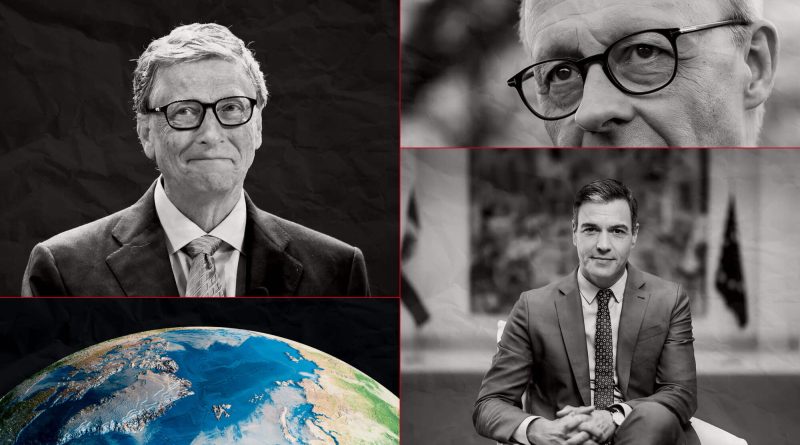
Pentagon’s Drone Hunt, The War Against AI, and the Fall of Gates: Top Global Stories of the Week
In an era defined by rapid technological advancement and shifting geopolitical landscapes, this week’s top global stories highlight the complex intersection of military innovation, artificial intelligence ethics, and the dramatic fall of once-untouchable tech titans. From the corridors of the Pentagon to Silicon Valley boardrooms, these narratives reveal the tensions shaping our modern world and the decisions that will define the coming decades.
The United States Department of Defense has launched an ambitious initiative to identify and procure advanced drone technology capable of meeting the evolving demands of modern warfare. Pentagon officials have acknowledged that the current drone fleet, while sophisticated, requires significant upgrades to counter emerging threats from adversaries who have made substantial investments in unmanned aerial systems. The search encompasses everything from small reconnaissance drones capable of operating in contested environments to larger platforms designed for extended surveillance and strike missions. Military analysts suggest this push reflects lessons learned from recent conflicts, particularly the ongoing war in Ukraine, where both sides have demonstrated the devastating effectiveness of commercial and military drones in combat operations.
The Pentagon’s drone procurement initiative comes amid growing concerns about America’s ability to maintain technological superiority in unmanned systems. China has emerged as a formidable competitor in the global drone market, with companies like DJI dominating the commercial sector while Chinese military contractors develop increasingly sophisticated combat platforms. Defense experts estimate that Beijing has invested billions in drone technology over the past decade, creating an industrial base capable of producing thousands of unmanned aircraft annually. The United States, meanwhile, has traditionally relied on expensive, high-end systems like the MQ-9 Reaper, which cost approximately thirty million dollars per unit. This approach has proven effective for counterterrorism operations but may be ill-suited for potential conflicts with near-peer adversaries where attrition rates could be significantly higher.
Simultaneously, a parallel battle is unfolding in the realm of artificial intelligence, where critics, regulators, and even some industry insiders have declared what amounts to a war against unchecked AI development. The rapid deployment of large language models and generative AI systems has sparked intense debate about their potential to spread misinformation, displace workers, and fundamentally alter human society. European regulators have taken the lead in attempting to govern these technologies, with the EU’s AI Act establishing a comprehensive framework for categorizing and controlling artificial intelligence based on risk levels. The legislation, which took effect earlier this year, represents the world’s most ambitious attempt to regulate AI and has prompted similar discussions in the United States, United Kingdom, and elsewhere.
Critics of aggressive AI development argue that the technology industry is moving too quickly without adequate consideration of potential harms. Prominent AI researchers, including some who helped create the foundational technologies underlying modern systems, have issued warnings about existential risks posed by increasingly powerful AI. Geoffrey Hinton, often called the godfather of deep learning, left his position at Google last year specifically to speak freely about these dangers. Meanwhile, labor unions and workforce advocates have raised alarms about automation’s impact on employment, pointing to studies suggesting that AI could affect hundreds of millions of jobs globally within the next two decades. The entertainment industry’s recent strikes included significant provisions addressing AI use, setting precedents that other sectors are now examining closely.
Perhaps no story this week captured public attention more than the continuing examination of Bill Gates and the erosion of his once-sterling public image. The Microsoft co-founder, long celebrated as one of history’s most successful entrepreneurs and generous philanthropists, has faced mounting scrutiny over personal conduct allegations and questions about his relationships with controversial figures. Gates’s divorce from Melinda French Gates in 2021 opened a window into previously private aspects of his life, including reported connections to convicted sex offender Jeffrey Epstein. While Gates has denied any improper relationship, the association has damaged his carefully cultivated reputation as a benevolent tech statesman dedicated to solving global problems through the Bill and Melinda Gates Foundation.
The transformation of Gates’s public perception reflects broader cultural shifts in how society views billionaires and the tech industry they built. During the 1990s and 2000s, figures like Gates, Steve Jobs, and later Mark Zuckerberg were often portrayed as visionary innovators whose companies improved lives and created unprecedented prosperity. That narrative has increasingly given way to skepticism about concentrated wealth, concerns about tech monopolies, and questions about whether these individuals should wield such enormous influence over public health policy, education reform, and other domains traditionally governed by democratic institutions. The Gates Foundation’s involvement in global health initiatives, particularly vaccine distribution and pandemic preparedness, has made its founder a target for conspiracy theorists while also generating legitimate questions about accountability and transparency in philanthropic organizations that operate at governmental scales.
These three storylines—military drone development, AI regulation, and the scrutiny of tech billionaires—ultimately connect through their examination of how technology shapes power in the modern world. The Pentagon’s drone search represents traditional state power seeking to harness innovation for national security. The battle over AI governance reflects democratic societies struggling to maintain control over technologies that threaten to outpace human understanding. And the fall of Gates illustrates how even the most powerful individuals can become subjects of the same disruptive forces their creations unleashed. As these narratives continue to unfold, they will undoubtedly shape policy debates, investment decisions, and public discourse for years to come, reminding us that technological progress is never neutral and always carries profound implications for how we organize society and distribute power.