
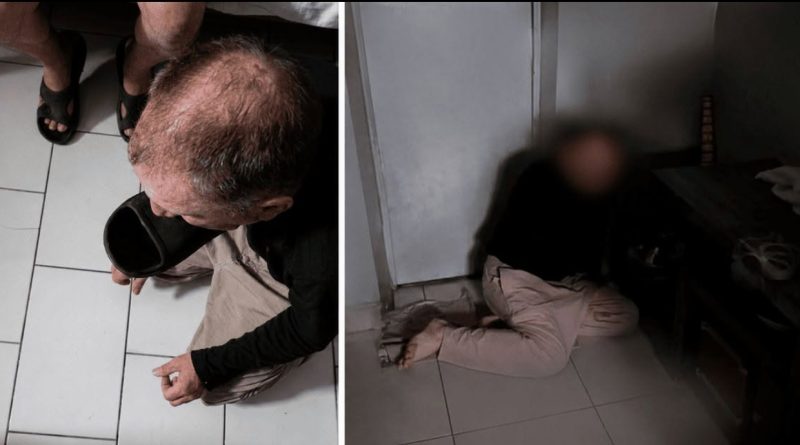
Ukrainian State Bureau of Investigation Launches Probe into Video Allegedly Showing Humiliation of Military Recruitment Officer in Odesa Detention Center
Ukrainian law enforcement authorities have opened a criminal investigation following the emergence of a disturbing video that allegedly depicts the mistreatment of a Territorial Recruitment Center (TRC) employee while in custody at an Odesa pre-trial detention facility. The State Bureau of Investigation (SBI) confirmed it is examining the footage, which has sparked widespread discussion across Ukrainian social media platforms and raised serious questions about conditions within the country’s detention system.
The case has taken on additional layers of complexity due to the identity of the alleged victim. According to preliminary reports, the man shown in the video may himself be a suspect in a separate criminal case involving allegations of torture against mobilized soldiers. This ironic twist has generated significant public debate about accountability, justice, and the treatment of detainees regardless of the accusations they face. The SBI has emphasized that all individuals in state custody are entitled to protection from abuse, regardless of their own pending legal matters.
The Territorial Recruitment Centers have become increasingly controversial institutions in Ukraine since the full-scale Russian invasion began in February 2022. These centers, known by their Ukrainian abbreviation TCC (or TRC in English), are responsible for managing military conscription and mobilization efforts across the country. While their role is essential to Ukraine’s defense efforts, numerous reports have emerged over the past two years documenting alleged abuses by some TRC personnel, including aggressive detention tactics, physical violence against potential conscripts, and improper documentation procedures. The Ukrainian government has acknowledged these problems and has taken steps to reform the mobilization system, including new legislation passed in 2024.
The allegations against the TRC employee now shown as a potential victim in the detention center video reportedly stem from his involvement in the mobilization process. Multiple complaints had allegedly been filed accusing him of using excessive force and psychological pressure against individuals being processed for military service. Such accusations have become distressingly common, with human rights organizations documenting hundreds of similar complaints since the intensification of mobilization efforts. The contrast between his alleged role as a perpetrator and his apparent victimization in custody has prompted difficult conversations about the cycle of violence and the importance of maintaining rule of law even during wartime.
Conditions in Ukrainian pre-trial detention facilities have long been a subject of concern for human rights monitors. The country’s SIZO (Slidchyi Izoliator) system, inherited from the Soviet era, has faced criticism for overcrowding, inadequate medical care, and periodic reports of violence between detainees. The European Court of Human Rights has issued multiple rulings against Ukraine regarding detention conditions over the years. The ongoing war has only exacerbated these challenges, as the justice system struggles to process an increased caseload while dealing with resource constraints and the displacement of judicial personnel from occupied or front-line territories.
The SBI investigation will need to determine several key facts: the authenticity of the video, the identities of all individuals involved, the circumstances under which the alleged abuse occurred, and whether detention facility staff were complicit or negligent in allowing such treatment. Ukrainian law provides for criminal penalties for torture and degrading treatment of detainees, and the SBI has jurisdiction over crimes committed by law enforcement and other officials. The bureau has not yet released details about potential suspects or the timeline for completing its investigation.
This case arrives at a particularly sensitive moment for Ukraine, as the country continues to seek Western support and eventual European Union membership. Demonstrating commitment to human rights standards and the rule of law remains crucial to these aspirations. Ukrainian civil society organizations have called for transparent investigations and accountability regardless of who the victims or perpetrators might be. As President Volodymyr Zelensky has repeatedly emphasized, Ukraine’s fight is not only for territorial integrity but also for the democratic values that distinguish it from its authoritarian aggressor. How authorities handle cases like this one will serve as an important test of those commitments.