
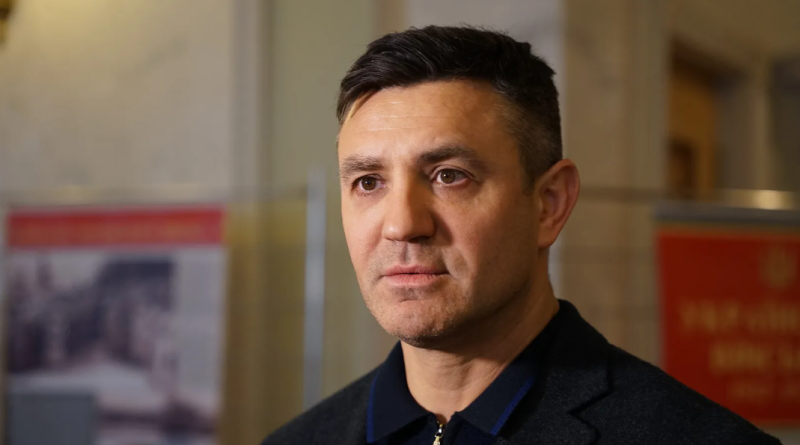
Ukrainian MP Tyshchenko Posts Full Bail Amount in Bribery Extortion Case
Ukrainian Member of Parliament Mykola Tyshchenko has posted the full bail amount required for his release in a high-profile case involving allegations of bribery extortion, according to a report by Suspilne, Ukraine’s public broadcasting company. The defense team confirmed that a portion of the bail money belongs to the parliamentarian himself, though specific details about the total amount and other contributors were not immediately disclosed.
The case against Tyshchenko has drawn significant public attention in Ukraine, where anti-corruption efforts have become a central focus of both domestic policy and international relations, particularly as the country seeks closer integration with the European Union. Ukrainian law enforcement agencies have intensified their efforts to combat corruption at all levels of government, and cases involving elected officials receive heightened scrutiny from both the media and civil society organizations.
Mykola Tyshchenko, a businessman-turned-politician, has been a controversial figure in Ukrainian politics for several years. He gained his parliamentary seat as a member of the Servant of the People party, which was founded to support President Volodymyr Zelensky’s political agenda. Before entering politics, Tyshchenko was known as a successful restaurateur and entrepreneur in Kyiv, building a reputation in the hospitality industry. His transition to politics came during the wave of new faces that entered Ukrainian government following Zelensky’s landslide victory in the 2019 presidential election.
The bribery extortion charges represent one of several legal challenges Tyshchenko has faced in recent years. Ukrainian prosecutors have been increasingly active in pursuing cases against public officials suspected of corruption, part of a broader effort to reform the country’s judicial and law enforcement systems. These reforms have been strongly encouraged by Western partners, including the United States and European Union member states, who have made anti-corruption progress a key condition for continued financial and political support.
Under Ukrainian law, the bail system allows defendants to secure their release from pretrial detention by posting a financial guarantee that they will appear for future court proceedings. The amount is typically set by a judge based on the severity of the charges, the defendant’s financial resources, and the perceived risk of flight. In cases involving public officials, bail amounts are often set at substantial levels to reflect both the seriousness of the alleged offenses and the defendants’ typically higher financial means. The fact that Tyshchenko was able to post the full amount suggests either significant personal wealth or support from external sources.
The defense team’s statement that part of the bail money came from Tyshchenko himself raises questions about the sources of the remaining funds. In high-profile political cases, it is not uncommon for allies, family members, or business associates to contribute to bail payments. However, such arrangements can attract additional scrutiny from investigators and the public, particularly in corruption-related cases where the origins of funds may themselves become subjects of inquiry. Ukrainian anti-corruption activists have long advocated for greater transparency in the financial dealings of public officials.
This case unfolds against the backdrop of Ukraine’s ongoing efforts to maintain international support during its conflict with Russia while simultaneously demonstrating progress on domestic reforms. The European Union has explicitly linked Ukraine’s path to membership with concrete achievements in fighting corruption and strengthening the rule of law. Cases involving sitting members of parliament serve as important tests of whether Ukraine’s judicial system can hold powerful individuals accountable, regardless of their political connections or status. The outcome of Tyshchenko’s case will likely be watched closely by both domestic observers and international partners as an indicator of the country’s commitment to institutional reform.
As the legal proceedings continue, Tyshchenko remains a member of parliament, retaining his immunity protections that complicate certain aspects of criminal prosecution. The Verkhovna Rada, Ukraine’s parliament, has the authority to lift immunity for individual members, a step that has been taken in several recent cases involving serious criminal allegations. The progression of this case through the Ukrainian judicial system will provide further insight into the functioning of the country’s legal institutions during a period of unprecedented national challenges.