
Ukrainian Forces Strike Russian Training Ground in Occupied Zaporizhzhia Region, Targeting Far Eastern Troops
Ukrainian military forces have conducted a precision strike against a Russian military training facility in the occupied Zaporizhzhia region, according to a video released by a prominent Ukrainian commander. The attack targeted the “Vostochny” (Eastern) training ground, where Russian troops from distant regions of the Russian Federation were reportedly undergoing combat preparation before deployment to front-line positions.
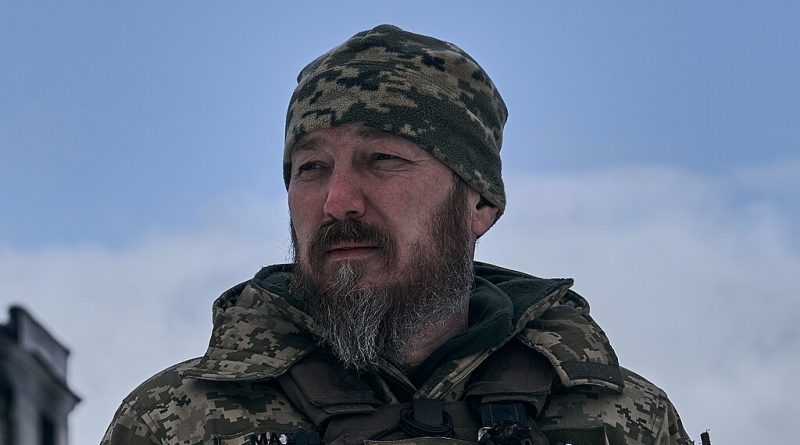
The strike was announced by the commander known by his callsign “Magyar,” who leads the Strike Drone Company (SBC), one of Ukraine’s most effective unmanned aerial vehicle units. In the released footage, Magyar stated that the attack specifically targeted personnel from Buryatia and Kamchatka – remote regions in Russia’s Far East, thousands of kilometers from Ukraine. These units, particularly naval infantry (marines), have been documented fighting in Ukraine since the early days of the full-scale invasion that began in February 2022.
The targeting of training facilities represents a strategic shift in Ukrainian military operations, as destroying enemy forces before they reach the front line can significantly impact Russian combat effectiveness. Training grounds in occupied territories serve as staging areas where newly arrived Russian units acclimatize to the combat zone, receive final instructions, and prepare for deployment. By striking these locations, Ukrainian forces aim to disrupt the enemy’s rotation cycle and inflict casualties on fresh troops before they can engage in active combat operations.
The involvement of troops from Buryatia and Kamchatka highlights Russia’s continued reliance on soldiers from economically disadvantaged and ethnically minority regions to fill its ranks. Buryatia, a republic in Siberia near the Mongolian border, and Kamchatka, a remote peninsula in Russia’s far northeast, have provided a disproportionate number of soldiers relative to their populations. Human rights organizations and independent Russian media outlets have documented how military recruitment has heavily targeted these regions, where economic opportunities are limited and military service offers comparatively attractive salaries.
Magyar’s Strike Drone Company has gained significant recognition for its effectiveness in conducting precision strikes against Russian targets. The unit specializes in operating various types of unmanned aerial vehicles, from small reconnaissance drones to larger strike platforms capable of delivering substantial payloads. The commander has become a prominent figure on social media, regularly posting videos of successful operations and advocating for increased drone production and deployment across Ukrainian forces. His unit exemplifies the broader Ukrainian strategy of leveraging technological innovation and asymmetric warfare capabilities to counter Russia’s numerical advantages.
The Zaporizhzhia region remains one of the most contested areas in the ongoing conflict. Russian forces occupied significant portions of the region in the early months of the invasion, including the strategically important city of Melitopol, though they failed to capture the regional capital of Zaporizhzhia city. The front line in this sector has remained relatively static, with both sides conducting regular artillery exchanges and drone operations. The region also hosts the Zaporizhzhia Nuclear Power Plant, Europe’s largest nuclear facility, which has been under Russian control since March 2022 and remains a source of international concern.
The use of drone warfare has fundamentally transformed the nature of combat in Ukraine, with both sides deploying thousands of unmanned systems daily for reconnaissance, artillery correction, and direct strikes. Ukrainian forces have proven particularly adept at integrating commercial and military drone technologies, developing innovative tactics that have influenced military thinking worldwide. The strike on the Vostochny training ground demonstrates the expanding reach of Ukrainian drone operations, which now regularly target logistics hubs, command posts, and troop concentrations deep within occupied territories. As the conflict continues, such precision strikes against rear-area targets are likely to remain a critical component of Ukraine’s defensive strategy.