
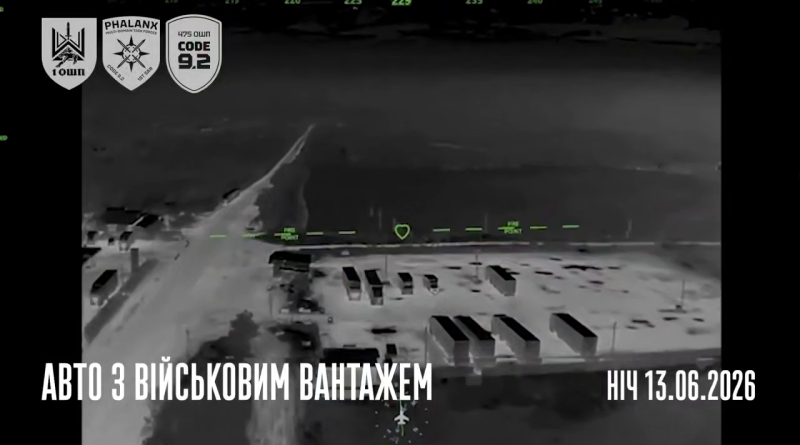
Ukrainian Forces Strike Key Logistics Targets at Crimea Entry Point in Coordinated Operations
Ukrainian Armed Forces have conducted a series of precision strikes targeting critical logistics infrastructure at the entrance to Crimea, according to military officials who released video footage of the operations. The attacks, carried out as part of operations codenamed “1 OShP” and “CODE 9.2,” represent the latest effort by Ukraine to disrupt Russian supply lines running through the strategically vital peninsula that Moscow annexed in 2014.
The strikes targeted key transit points used by Russian forces to transport military equipment, ammunition, and supplies into occupied territories. Military analysts suggest that these operations are part of a broader Ukrainian strategy to systematically degrade Russia’s logistical capabilities, making it increasingly difficult for Moscow to sustain its military operations in southern Ukraine. Video evidence released by Ukrainian forces shows significant damage to the targeted infrastructure, though specific details about casualties or the full extent of destruction have not been officially confirmed.
The Crimean peninsula has served as a crucial staging ground and supply hub for Russian military operations since the full-scale invasion began in February 2022. The peninsula’s strategic importance cannot be overstated, as it provides Russia with access to the Black Sea Fleet headquarters in Sevastopol and serves as a primary corridor for moving troops and materiel into southern Ukraine. Ukrainian forces have repeatedly targeted this logistical network, including the famous October 2022 strike on the Kerch Bridge that connects Crimea to mainland Russia, which caused significant damage and temporarily disrupted supply flows.
Military experts have long emphasized that modern warfare heavily depends on logistics, and Ukraine’s systematic targeting of Russian supply infrastructure reflects lessons learned from both historical conflicts and contemporary military doctrine. By striking at entry points to Crimea, Ukrainian forces aim to create bottlenecks that slow Russian operations and force Moscow to allocate additional resources to protect and repair critical infrastructure. This approach mirrors successful strategies employed in previous conflicts where disrupting enemy supply lines proved decisive in determining battlefield outcomes.
The operations “1 OShP” and “CODE 9.2” appear to involve coordinated efforts between different Ukrainian military units, possibly including special operations forces and long-range strike capabilities. Ukraine has significantly expanded its ability to conduct deep strikes behind Russian lines through a combination of domestically produced drones, Western-supplied precision munitions, and innovative tactics developed throughout the conflict. These capabilities have allowed Kyiv to threaten Russian logistics far beyond the front lines, forcing Moscow to spread its air defense systems thin and dedicate substantial resources to rear-area security.
The timing of these strikes comes amid ongoing discussions about the future of the conflict and potential diplomatic negotiations. By demonstrating the ability to consistently target Russian infrastructure in Crimea, Ukraine strengthens its negotiating position while simultaneously degrading Russia’s military effectiveness. Western military analysts have noted that Ukraine’s campaign against Russian logistics has contributed to ammunition shortages and equipment problems reported among Russian units operating in various sectors of the front line.
International observers continue to monitor developments in the region closely, as strikes on Crimea carry significant symbolic and strategic weight. Russia considers Crimea an integral part of its territory following the 2014 annexation, which the international community widely rejected as illegal. For Ukraine, the peninsula represents occupied sovereign territory that must eventually be liberated or addressed through diplomatic means. Each successful strike on Crimean targets reinforces Ukraine’s position that no part of Russian-occupied territory is beyond the reach of its military capabilities, while also demonstrating to international partners the effective use of provided military assistance.
As the conflict continues, experts anticipate that Ukrainian forces will maintain pressure on Russian logistics networks, with Crimea remaining a primary focus of these efforts. The success of operations like “1 OShP” and “CODE 9.2” will likely influence future tactical decisions and could shape the broader strategic landscape as both sides prepare for potential shifts in the conflict’s trajectory in the coming months.