
Russia and China: Ukraine’s Foreign Ministry and Intelligence Respond to Growing Military Cooperation Between Moscow and Beijing
Ukrainian officials have issued statements regarding the increasingly close military cooperation between Russia and China, as concerns mount among Western nations about Beijing’s role in supporting Moscow’s war effort. Representatives from Ukraine’s Foreign Ministry, led by Andrii Sybiha, and military intelligence, headed by Kyrylo Budanov, have addressed the deepening ties between the two powers and their implications for the ongoing conflict in Ukraine.
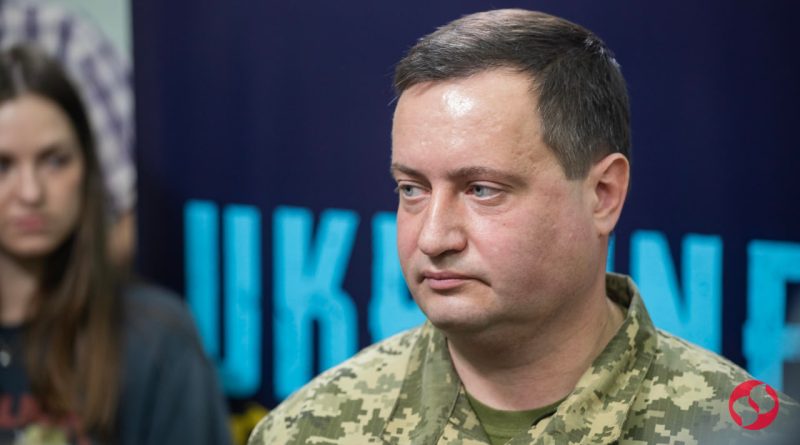
Andriy Yusov, spokesperson for Ukraine’s Defense Intelligence (HUR), along with officials from the Ministry of Foreign Affairs, commented on the nature of the relationship between Moscow and Beijing in the military sphere. Ukrainian intelligence has been closely monitoring the evolving partnership between Russia and China, which has intensified significantly since the full-scale invasion of Ukraine began in February 2022. The officials emphasized that this cooperation represents a serious challenge not only for Ukraine but for the entire global security architecture.
The Russia-China relationship has transformed dramatically over the past decade, evolving from a partnership of convenience into what both nations now describe as a “no-limits” friendship. This declaration, made just weeks before Russia’s invasion of Ukraine, signaled a new era in bilateral relations. While China has officially maintained a position of neutrality in the conflict, Western intelligence agencies have documented significant support flowing from Chinese companies to Russia’s defense industry. This includes dual-use technologies, microelectronics, and machine tools that have helped sustain Russia’s military production capabilities despite comprehensive Western sanctions.
Historical context is essential to understanding the current dynamics. Russia and China share a complex history marked by periods of both alliance and rivalry. During the Cold War, the Sino-Soviet split created deep divisions between the two communist powers. However, following the collapse of the Soviet Union, both nations found common ground in their opposition to what they perceive as Western hegemony, particularly American global influence. This shared worldview has driven their strategic convergence, with military cooperation expanding through joint exercises, arms sales, and technology sharing.
Defense analysts note that China’s support for Russia, while stopping short of direct weapons transfers, has been crucial in allowing Moscow to sustain its military operations. Chinese companies have provided components essential for manufacturing missiles, drones, and other military equipment. Additionally, China has become Russia’s economic lifeline, purchasing vast quantities of oil and gas at discounted prices and providing an alternative market for Russian exports blocked by Western sanctions. This economic relationship has generated hundreds of billions of dollars for Russia’s war chest, effectively undermining the impact of international sanctions designed to cripple Moscow’s ability to wage war.
Ukrainian officials have repeatedly called on the international community to pressure Beijing to cease its support for Russia. Kyiv argues that China’s claims of neutrality are contradicted by the tangible assistance flowing to Moscow. The Ukrainian Foreign Ministry has engaged in diplomatic efforts to highlight the contradiction between China’s stated position and its actions, seeking to rally global opinion against what Ukraine characterizes as complicity in Russian aggression. Intelligence chief Budanov’s agency has been instrumental in documenting and publicizing evidence of Chinese-Russian military cooperation.
The implications of this partnership extend far beyond Ukraine’s borders. Security experts warn that a strengthened Russia-China axis could fundamentally reshape the global balance of power, challenging the post-World War II international order. NATO members have increasingly identified China as a “systemic challenge” and have begun reassessing their defense postures accordingly. The alliance’s 2022 Strategic Concept explicitly mentioned China for the first time, acknowledging that Beijing’s ambitions and coercive policies challenge Western interests and security.
As the conflict in Ukraine continues with no clear end in sight, the Russia-China relationship remains a critical factor in determining its trajectory. Ukrainian officials maintain that increased international pressure on both Moscow and Beijing is essential for achieving a just peace. The coming months will likely see continued diplomatic efforts by Kyiv and its Western allies to address this challenge, even as Russia and China deepen their strategic embrace in defiance of international criticism.