
‘An Alarming Signal’: Wrocław Mayor Issues Statement After Brutal Attack on Ukrainian Couple
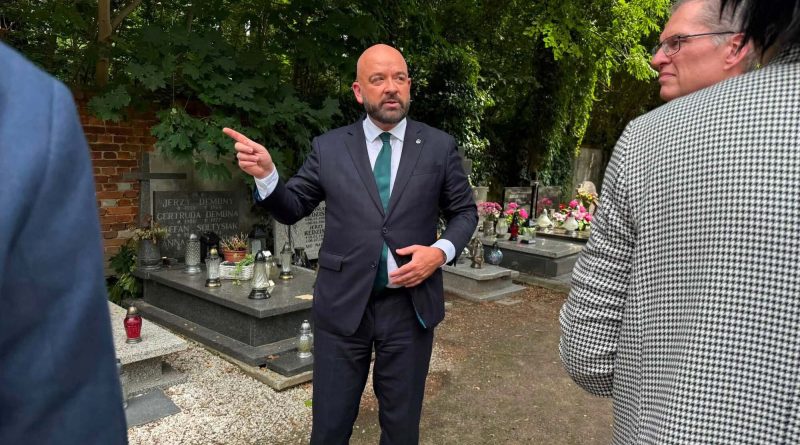
The mayor of Wrocław, Jacek Sutryk, has issued a strong public statement condemning violence motivated by hatred, xenophobia, and national prejudice following a disturbing incident involving the assault of a Ukrainian couple in the Polish city. The attack has sparked widespread concern about the safety of foreign nationals, particularly Ukrainians, who have sought refuge in Poland since the outbreak of the full-scale war in February 2022. Mayor Sutryk emphasized that Wrocław has no place for such acts of violence and called on residents to stand united against intolerance in all its forms.
The incident, which reportedly occurred in recent days, involved a physical assault on a Ukrainian man and woman whose identities have not been publicly disclosed for their protection. According to preliminary reports, the attack appeared to be motivated by the victims’ nationality, raising serious questions about the rise of xenophobic sentiments in certain segments of Polish society. Local authorities have launched an investigation into the case, with police working to identify and apprehend the perpetrators. The attack has drawn condemnation from city officials, civil society organizations, and members of the Ukrainian community living in Wrocław.
Poland has been one of the most generous host countries for Ukrainian refugees since Russia launched its full-scale invasion of Ukraine in February 2022. According to various estimates, between 1.5 and 2 million Ukrainians currently reside in Poland, with significant concentrations in major cities like Warsaw, Kraków, and Wrocław. The southwestern city of Wrocław, known for its rich cultural heritage and vibrant international community, has welcomed tens of thousands of Ukrainian refugees over the past three years. The city has historically prided itself on its multicultural character, having been part of various European nations throughout its complex history.
However, the initial wave of overwhelming support for Ukrainian refugees has shown signs of fatigue in some quarters. Surveys conducted over the past year have indicated a gradual shift in Polish public opinion, with some respondents expressing concerns about the economic impact of hosting such a large refugee population. Social tensions have occasionally manifested in isolated incidents of discrimination or violence against Ukrainian nationals. Experts in migration studies have noted that such patterns are not uncommon in countries experiencing large-scale refugee influxes, but they emphasize the importance of political leadership in maintaining social cohesion and combating xenophobic narratives.
Mayor Sutryk’s statement reflects a broader commitment among many Polish local officials to maintain welcoming policies toward Ukrainian refugees despite these challenges. In his remarks, the mayor stressed that acts of violence targeting individuals based on their nationality or ethnicity are not only criminal offenses but also fundamental betrayals of the values that Wrocław represents. He called the attack an “alarming signal” that requires immediate attention from both law enforcement authorities and civil society. The mayor urged residents who may have witnessed the incident or have any information about the perpetrators to come forward and assist the ongoing investigation.
The response to the attack has also highlighted the role of community organizations in supporting victims of hate crimes and promoting intercultural dialogue. Several Ukrainian community groups in Wrocław have called for increased vigilance and solidarity in the face of such incidents. Polish civil rights organizations have similarly condemned the attack and called for stronger measures to prevent and punish hate-motivated violence. Legal experts note that Polish law provides for enhanced penalties when crimes are committed with discriminatory motives, though enforcement and prosecution of such cases can be challenging.
As the investigation continues, the incident serves as a sobering reminder of the ongoing challenges faced by displaced populations and the communities that host them. While the vast majority of interactions between Polish citizens and Ukrainian refugees remain positive, isolated acts of violence can have a chilling effect on entire communities and undermine years of integration efforts. Mayor Sutryk’s swift and unequivocal condemnation of the attack sends an important message that municipal authorities will not tolerate hatred and that Wrocław remains committed to being a safe and welcoming city for all its residents, regardless of their national origin.