
Bulgaria Withdraws from Coalition of the Willing in Support of Ukraine – Radev
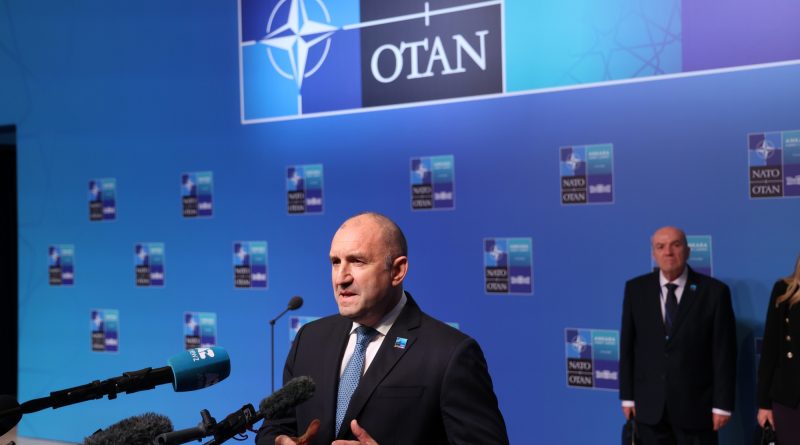
Bulgarian President Rumen Radev has announced that Bulgaria will no longer provide military assistance to Ukraine, marking a significant shift in the country’s position regarding the ongoing conflict in Eastern Europe. This decision effectively removes Bulgaria from the informal ‘Coalition of the Willing’ — a group of nations that have been actively supporting Ukraine with weapons, ammunition, and military equipment since Russia’s full-scale invasion began in February 2022.
The announcement comes amid growing political divisions within Bulgaria over the country’s role in the Ukrainian conflict. President Radev, who has consistently advocated for a more cautious approach to the war, has long expressed concerns about the potential consequences of direct military involvement. His position stands in contrast to other Bulgarian political figures who have pushed for stronger support of Kyiv, reflecting the deep divisions within Bulgarian society over this contentious issue.
Bulgaria’s relationship with both Russia and Ukraine is complex and deeply rooted in historical, cultural, and economic ties. As a Slavic nation with Orthodox Christian traditions, Bulgaria shares significant cultural connections with both countries. The country was part of the Soviet sphere of influence during the Cold War and maintained close economic ties with Russia, particularly in the energy sector, for decades after the fall of communism. Bulgaria has been heavily dependent on Russian natural gas and nuclear fuel, making any decisive break with Moscow economically challenging.
Since joining NATO in 2004 and the European Union in 2007, Bulgaria has navigated a delicate balance between its Western alliances and its historical connections to Russia. The country hosts NATO facilities and has participated in alliance activities, but political instability — with multiple elections and caretaker governments in recent years — has complicated efforts to establish a consistent foreign policy approach. President Radev, elected in 2016 and re-elected in 2021, has often been described as more Russia-friendly compared to other Bulgarian politicians, though he officially maintains support for Bulgaria’s Euro-Atlantic integration.
The decision to halt military aid to Ukraine places Bulgaria in a minority position among European Union and NATO member states. Most alliance members have committed to continued support for Ukraine, with countries like Poland, the Baltic states, and the United Kingdom leading efforts to provide advanced weapons systems, training, and financial assistance. Germany and France, after initial hesitation, have also ramped up their military contributions. Bulgaria’s withdrawal from this collective effort could strain relations with its Western partners and raise questions about the country’s commitment to collective security principles.
Military analysts suggest that while Bulgaria’s direct military contributions to Ukraine may have been modest compared to larger NATO members, the symbolic significance of its withdrawal should not be underestimated. Bulgaria possesses Soviet-era military equipment and ammunition that would be compatible with Ukraine’s existing arsenal, making such supplies particularly valuable. The country had previously been involved in facilitating weapons transfers and providing ammunition to Ukrainian forces, contributions that helped sustain Ukraine’s defensive capabilities during critical phases of the conflict.
The announcement is likely to intensify domestic political debates in Bulgaria, where the war in Ukraine has become a polarizing issue. Pro-Western parties have argued that supporting Ukraine is essential for European security and aligns with Bulgaria’s NATO obligations, while other political forces have warned against being drawn into a proxy conflict with Russia. Public opinion polls have shown Bulgarians divided on the issue, with concerns about economic consequences and the risk of escalation weighing against solidarity with Ukraine. As Bulgaria continues to grapple with political instability and economic challenges, the government’s stance on Ukraine will remain a critical factor in shaping the country’s foreign policy direction and its relationships with both Eastern and Western partners in the months ahead.