
“This Should Not Happen”: Zelensky Responds to Violent Confrontation Between Civilians and Military Recruitment Officers in Lviv
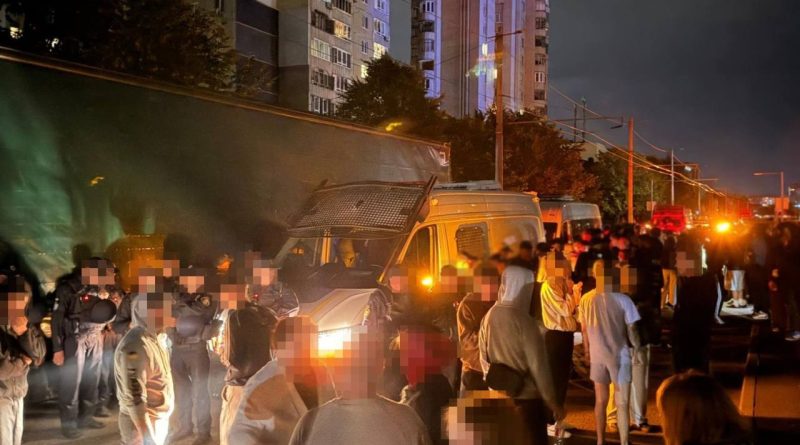
Ukrainian President Volodymyr Zelensky has publicly condemned an incident in Lviv where civilians overturned a vehicle belonging to Territorial Recruitment Center (TCC) officers, calling the confrontation unacceptable and criticizing the growing tensions between military personnel and the public. The incident, which was captured on video and quickly spread across social media platforms, has reignited a national debate about mobilization practices in Ukraine and the relationship between citizens and those tasked with military recruitment during the ongoing war with Russia.
The confrontation occurred when TCC officers, who are responsible for identifying and processing potential military conscripts, encountered resistance from local residents. In the dramatic footage that circulated online, a group of civilians can be seen physically confronting the officers and ultimately flipping their vehicle. The incident represents one of the most visible and violent clashes between recruitment personnel and the public since Ukraine intensified its mobilization efforts following Russia’s full-scale invasion in February 2022.
President Zelensky addressed the incident directly, stating firmly that “this should not happen” and emphasizing the need for mutual respect between military structures and civilian populations. The president’s response reflects the delicate balance Ukrainian authorities must maintain between enforcing mobilization laws necessary for national defense and preserving public trust in state institutions. Zelensky has consistently advocated for fair and transparent recruitment practices while acknowledging the immense pressure the country faces in maintaining adequate troop levels for its defense against Russian aggression.
The Territorial Recruitment Centers have been at the center of controversy throughout the war, with numerous reports of aggressive tactics, arbitrary detentions, and allegations of corruption. In response to widespread criticism, Ukraine passed a new mobilization law in April 2024 that aimed to reform the recruitment process, requiring men aged 18 to 60 to update their military registration data and introducing digital conscription notices. However, implementation has proven challenging, and incidents of confrontation between TCC officers and civilians have continued to make headlines.
The Lviv incident highlights the broader societal tensions that have emerged as the war extends into its third year. Many Ukrainian men have gone to great lengths to avoid conscription, including attempting illegal border crossings, while others have expressed frustration with what they perceive as unfair exemption policies that favor the wealthy or well-connected. Public opinion surveys indicate that while most Ukrainians support the war effort against Russia, there is significant anxiety about mobilization practices and concerns about the fair distribution of the burden of military service across society.
Military analysts and civil society observers have noted that such incidents can have serious implications for Ukraine’s defense capabilities and social cohesion. The country relies heavily on public support for its resistance against Russian forces, and maintaining trust between citizens and state institutions is crucial for sustained mobilization efforts. Experts have called for continued reforms to the TCC system, including better training for recruitment officers, clearer communication about exemption criteria, and more robust oversight mechanisms to prevent abuses.
The Ukrainian government has acknowledged the need for improvement in recruitment practices while emphasizing the existential nature of the threat facing the nation. Defense officials have pointed out that Russia’s significant advantages in manpower make effective mobilization essential for Ukraine’s survival as an independent state. As the war continues with no immediate end in sight, balancing the urgent need for military personnel with citizens’ rights and public trust remains one of the most challenging domestic issues facing Ukrainian leadership. President Zelensky’s swift response to the Lviv incident signals the government’s awareness of these tensions and its commitment to addressing them, even as the country fights for its very existence on multiple fronts across the eastern and southern regions.