
United States Plans to Withdraw One-Third of Fighter Jets from NATO Mission in Europe
The United States has informed its European allies of significant plans to reduce its military aviation presence on the continent, according to a report by The New York Times. The Pentagon is preparing to withdraw dozens of fighter aircraft from NATO’s European mission and relocate an aircraft carrier, marking one of the most substantial shifts in American military posture in the region in recent years. This development comes at a particularly sensitive time, as tensions between NATO and Russia remain elevated following Moscow’s full-scale invasion of Ukraine in February 2022.
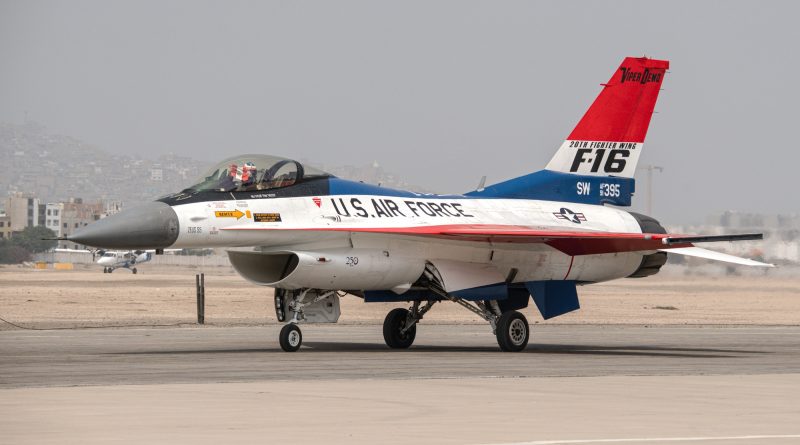
The planned withdrawal would affect approximately one-third of American fighter jets currently deployed as part of NATO operations in Europe. These aircraft play a crucial role in the alliance’s air policing missions, deterrence operations, and rapid response capabilities. The move has reportedly caught some European partners off guard, prompting urgent consultations between Washington and allied capitals about the implications for regional security architecture. Defense officials in several NATO member states have expressed concern about the timing of such a significant reduction, particularly given the ongoing conflict on Europe’s eastern flank.
The United States has maintained a substantial military presence in Europe since the end of World War II, with this commitment growing significantly during the Cold War era. At its peak, hundreds of thousands of American troops were stationed across the continent, primarily in West Germany, to counter the Soviet threat. Following the collapse of the Soviet Union in 1991, this presence was gradually reduced, but NATO expansion eastward brought new responsibilities and deployments. The 2014 Russian annexation of Crimea prompted a reversal of this drawdown trend, with Washington increasing rotational deployments and prepositioning equipment in Eastern European member states.
Following Russia’s 2022 invasion of Ukraine, the United States dramatically reinforced its European posture. Additional fighter squadrons, ground troops, and naval assets were deployed to reassure nervous allies, particularly those on NATO’s eastern flank such as Poland, the Baltic states, and Romania. The American military footprint in Europe swelled to approximately 100,000 troops, the highest level in decades. This makes the current planned withdrawal particularly noteworthy, as it signals a potential shift in American strategic priorities despite the unresolved security situation in Ukraine.
Military analysts suggest several factors may be driving this decision. The United States faces competing demands on its military resources, with growing attention focused on the Indo-Pacific region and the perceived threat from China. The Pentagon has been conducting extensive reviews of global force posture, seeking to optimize deployments for what it considers the most pressing strategic challenges of the coming decades. Some experts argue that European allies, with their combined economic might exceeding that of Russia, should bear a greater share of their own defense burden – a sentiment that has been expressed by American political leaders across the ideological spectrum for years.
The relocation of an aircraft carrier from European waters represents another significant element of this military realignment. Carrier strike groups are among the most powerful and flexible military assets in the American arsenal, capable of projecting force across vast distances and providing air superiority in multiple theaters. Their presence in European waters has historically served as a potent symbol of American commitment to NATO and a deterrent against potential aggression. Moving such an asset away from the region could alter the strategic calculus for both allies and potential adversaries.
European NATO members have been gradually increasing their defense spending in recent years, with many now meeting or exceeding the alliance’s target of two percent of gross domestic product devoted to military expenditure. However, building independent military capabilities, particularly in areas like air power and strategic lift, takes years if not decades. The continent remains heavily dependent on American assets for certain critical functions, including aerial refueling, advanced reconnaissance, and precision strike capabilities. This dependency makes any reduction in U.S. presence a matter of significant strategic concern for European defense planners.
The announcement is likely to intensify ongoing debates within Europe about strategic autonomy and the future of transatlantic security cooperation. Some European leaders have long advocated for greater continental self-reliance in defense matters, arguing that dependence on Washington creates vulnerability to shifts in American political priorities. Others maintain that NATO’s integrated command structure and American leadership remain essential to European security. Whatever the outcome of these discussions, this planned withdrawal appears to mark another chapter in the evolving relationship between the United States and its European allies, with implications that will unfold over the coming months and years.