
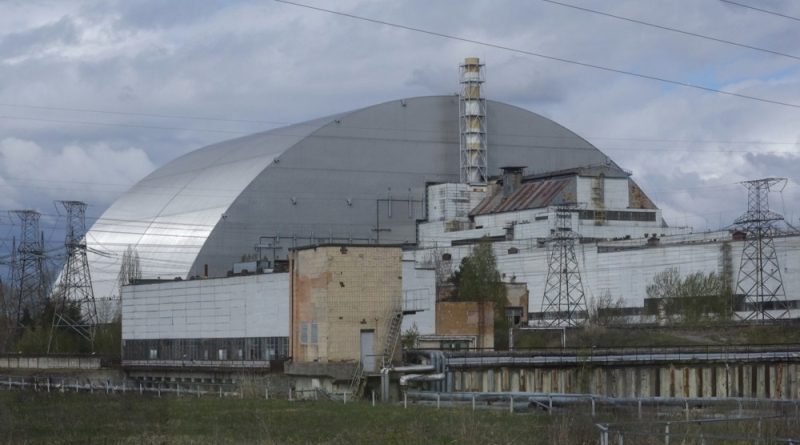
Norway Pledges Over 9 Million Euros for Chernobyl Nuclear Plant Protective Shelter Restoration
In a significant commitment to nuclear safety and environmental protection, Norway has announced it will allocate more than 9 million euros toward the restoration and maintenance of the protective containment structure at the Chernobyl Nuclear Power Plant in Ukraine. The funding represents a crucial contribution to ongoing international efforts to secure one of the world’s most hazardous nuclear disaster sites, which continues to pose potential environmental risks nearly four decades after the catastrophic accident.
The Norwegian financial assistance will be channeled through the European Bank for Reconstruction and Development (EBRD) fund, which has been coordinating international support for Chernobyl-related safety projects since the 1990s. The EBRD has played a pivotal role in managing the Chernobyl Shelter Fund, which has received contributions from more than 45 donor countries over the years. This multilateral approach has been essential in addressing the enormous technical and financial challenges associated with containing the radioactive materials at the site.
The Chernobyl disaster, which occurred on April 26, 1986, remains the worst nuclear accident in history. A reactor explosion at Unit 4 released massive amounts of radioactive contamination across large parts of the Soviet Union and Europe, forcing the permanent evacuation of approximately 350,000 people from surrounding areas. The initial response involved hastily constructing a concrete sarcophagus over the damaged reactor, but this structure was never intended as a permanent solution and has deteriorated significantly over the decades due to radiation damage and environmental exposure.
In 2016, a major engineering achievement was completed when the New Safe Confinement (NSC), a massive arch-shaped steel structure, was successfully slid into place over the original sarcophagus. This colossal shield, spanning 257 meters wide and 108 meters tall, was designed to contain radioactive dust and debris for at least 100 years while allowing for the eventual dismantling of the unstable original shelter. The NSC project cost approximately 1.5 billion euros and required unprecedented international cooperation and engineering innovation.
However, the work at Chernobyl is far from complete. The containment structures require constant monitoring, maintenance, and periodic upgrades to ensure their continued effectiveness. Norway’s latest contribution will support these ongoing efforts, which include addressing structural concerns, managing radioactive waste, and maintaining the sophisticated ventilation and monitoring systems that keep the site secure. Experts estimate that complete decommissioning of the Chernobyl site could take decades and cost billions of additional euros.
Norway has been a consistent supporter of nuclear safety initiatives in the region, driven partly by its geographic proximity to potential contamination zones and its strong environmental protection policies. The Scandinavian nation was among the countries affected by radioactive fallout from the 1986 disaster, with some areas experiencing elevated radiation levels that impacted agriculture and wildlife for years afterward. This historical experience has motivated Norway’s continued engagement in ensuring the Chernobyl site remains safely contained.
The situation at Chernobyl gained renewed international attention during Russia’s full-scale invasion of Ukraine in February 2022, when Russian forces briefly occupied the exclusion zone. The occupation raised serious concerns about potential damage to safety systems and the risk of radioactive contamination spreading beyond the site. Ukrainian personnel continued working under extremely difficult conditions to maintain critical safety functions throughout this period. Norway’s funding commitment comes as Ukraine works to restore normal operations and address any damage that may have occurred during the occupation.
International nuclear safety experts have emphasized that continued investment in Chernobyl’s containment infrastructure remains essential not only for Ukraine but for all of Europe. Radioactive materials at the site, including fuel-containing masses within the destroyed reactor, will remain hazardous for thousands of years. The collaborative effort to manage this legacy represents one of the most significant international nuclear safety undertakings in history, demonstrating how nations can work together to address the long-term consequences of nuclear disasters and protect future generations from environmental harm.