
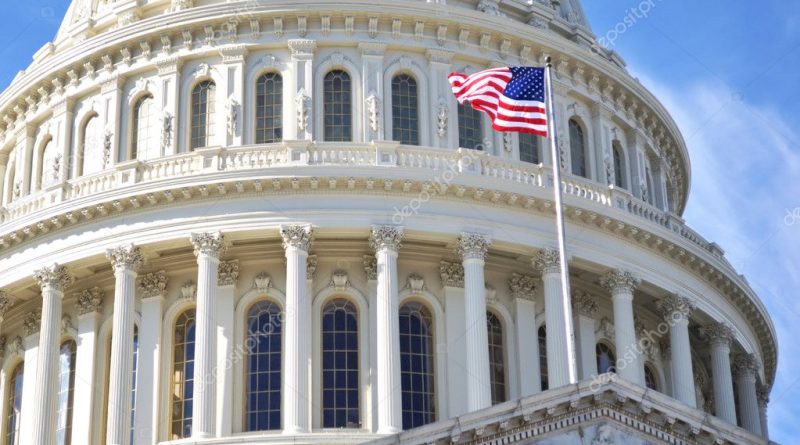
US Senate Committee Approves Defense Budget Including $750 Million for Ukraine
The United States Senate Armed Services Committee has advanced a comprehensive defense authorization bill that allocates $750 million in security assistance specifically designated for Ukraine. This significant legislative development underscores Washington’s continued commitment to supporting Kyiv amid the ongoing conflict with Russia, which has now stretched beyond three years since the full-scale invasion began in February 2022. The bill represents one of the most substantial single allocations of military aid to Ukraine within a broader defense package and signals bipartisan support for maintaining American involvement in European security affairs.
A critical provision embedded within the legislation explicitly prohibits the United States government from recognizing any Ukrainian territories currently under Russian occupation as legitimately belonging to the Russian Federation. This clause directly addresses concerns about potential diplomatic settlements that might legitimize territorial gains achieved through military force, reinforcing the American position that borders cannot be changed through aggression. The territories in question include Crimea, which Russia annexed in 2014, as well as portions of the Donetsk, Luhansk, Zaporizhzhia, and Kherson regions that have been under varying degrees of Russian control since 2022.
The $750 million allocation continues a pattern of substantial American military support that has characterized the Western response to Russian aggression. Since the conflict began, the United States has provided over $50 billion in security assistance to Ukraine, making it by far the largest single contributor to Ukraine’s defense capabilities. This aid has included advanced weapons systems such as HIMARS rocket launchers, Patriot air defense batteries, Abrams tanks, and millions of rounds of artillery ammunition. The new funding is expected to support ongoing training programs for Ukrainian forces, maintenance of previously supplied equipment, and procurement of additional military hardware deemed essential for Ukraine’s defensive operations.
The committee’s approval comes at a pivotal moment in the conflict, as Ukrainian forces continue to conduct both defensive operations along the extensive front line and offensive actions, including cross-border operations into Russian territory. Military analysts have noted that sustained Western support remains crucial to Ukraine’s ability to maintain combat effectiveness against a larger and better-resourced adversary. The Russian military, despite suffering significant personnel and equipment losses, continues to press forward in eastern Ukraine, making incremental territorial gains in certain sectors while facing stiff resistance in others.
Beyond the immediate military implications, the legislation carries significant diplomatic weight. By explicitly refusing to recognize occupied territories as Russian, Congress is sending a clear message to both Moscow and the international community about American red lines in any potential peace negotiations. This position aligns with the broader Western consensus, articulated through NATO and the European Union, that any sustainable resolution to the conflict must respect Ukraine’s sovereignty and territorial integrity. Historical precedent suggests that the international community’s refusal to recognize territorial changes achieved through force can have long-lasting implications, as demonstrated by the decades-long non-recognition of the Soviet annexation of the Baltic states during the Cold War.
The defense authorization process in the United States involves multiple stages before becoming law. Following committee approval, the bill must pass the full Senate, be reconciled with the House of Representatives’ version of defense legislation, and ultimately receive presidential signature. While the committee vote represents an important milestone, observers note that the final legislation may undergo modifications during floor debates and conference negotiations. Nevertheless, the strong bipartisan support demonstrated at the committee level suggests that substantial Ukraine assistance will likely survive the legislative process intact.
Defense experts and foreign policy analysts view this continued commitment as essential not only for Ukraine’s immediate security needs but also for broader strategic considerations. The conflict has become a testing ground for Western military technology and doctrine, while also serving as a demonstration of alliance solidarity against authoritarian aggression. As European NATO members increase their own defense spending and military support for Ukraine, American leadership in security assistance remains a cornerstone of the collective Western response. The committee’s action reaffirms that despite domestic political debates, a significant consensus exists within the American political establishment regarding the importance of supporting Ukraine’s fight for sovereignty.