
Ukrainian Forces Strike Key Bridge at Chongar Crossing Leading to Crimea
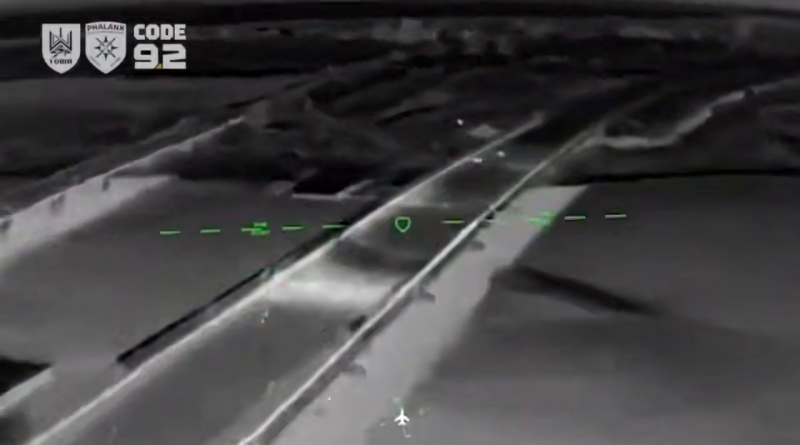
Ukrainian Armed Forces have successfully struck a critical bridge structure at the Chongar crossing, one of the main entry points connecting mainland Ukraine to the Russian-occupied Crimean peninsula. Military officials released footage confirming the strike, which targeted vital transportation infrastructure that has served as a crucial supply route for Russian forces operating in the southern regions of Ukraine. The attack represents another significant blow to Russia’s logistical capabilities in maintaining its occupation of Crimea and supporting military operations in the area.
The Chongar crossing has long been considered one of the most strategically important access points to Crimea, alongside the Kerch Strait Bridge that connects the peninsula to mainland Russia. Located in the Kherson region, the Chongar route serves as a primary land corridor for military convoys, equipment transfers, and civilian traffic moving between occupied Crimea and the contested territories of southern Ukraine. Ukrainian military sources have confirmed that the strike was carried out with precision-guided munitions, though specific details about the weapons system used have not been officially disclosed.
The strategic significance of this attack cannot be overstated. Since Russia’s illegal annexation of Crimea in 2014, the peninsula has served as a major staging ground for Russian military operations, particularly following the full-scale invasion launched in February 2022. The land bridges connecting Crimea to mainland Ukraine — including crossings at Chongar, Armyansk, and the Perekop isthmus — have been essential for sustaining Russian troop deployments, ammunition supplies, and fuel deliveries to forces operating in the Kherson and Zaporizhzhia regions. By systematically targeting these infrastructure points, Ukrainian forces aim to isolate Crimea and disrupt the flow of military resources to the front lines.
Military analysts have noted that Ukraine has been implementing a deliberate campaign to degrade Russian logistics networks throughout the occupied territories. This strategy involves targeting bridges, railway junctions, ammunition depots, and command centers to weaken Russia’s ability to sustain prolonged military operations. The Chongar bridge strike follows a pattern of similar attacks on critical infrastructure, including multiple strikes on the Kerch Bridge, which have forced Russian military planners to seek alternative supply routes and created significant logistical challenges for occupation forces.
The Chongar crossing holds particular historical significance in the context of the ongoing conflict. During the initial stages of Russia’s full-scale invasion in February 2022, Russian forces used this very route to advance northward into the Kherson region, quickly capturing territory and establishing a significant presence on the western bank of the Dnipro River. Ukrainian forces later liberated Kherson city and surrounding areas in November 2022, but the front lines have remained relatively static in the southern sector since then. Strikes on bridges like Chongar serve both tactical and symbolic purposes, demonstrating Ukraine’s growing capability to project power deep into occupied territories.
The timing of this strike also reflects Ukraine’s increasing access to advanced Western weapons systems and improved intelligence capabilities. Long-range precision munitions provided by NATO allies have enabled Ukrainian forces to target infrastructure that was previously beyond their reach, fundamentally changing the dynamics of the conflict in the south. Military experts suggest that continued pressure on Russian supply lines could eventually force a strategic reassessment of Moscow’s ability to hold occupied territories, particularly if key routes become impassable or too dangerous for regular military convoys.
Ukrainian military officials have emphasized that strikes on transportation infrastructure are conducted with the goal of undermining Russian military capabilities while minimizing civilian casualties. The Chongar bridge, while used by civilian traffic, serves primarily as a military supply route, making it a legitimate target under the laws of armed conflict. As Ukraine continues its campaign to liberate occupied territories, attacks on critical infrastructure connecting Crimea to the front lines are expected to intensify, further complicating Russia’s efforts to maintain its occupation and support ongoing military operations in southern Ukraine.