
Kharkiv Mayor Reports Over One Million Residents Have Returned to Ukraine’s Second-Largest City
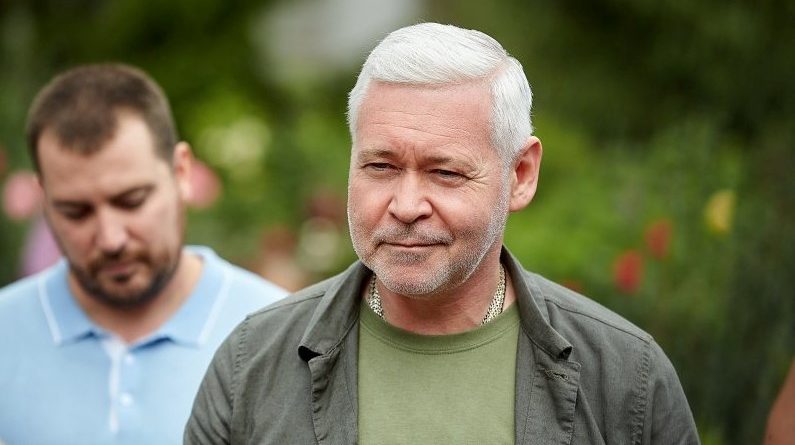
Kharkiv Mayor Ihor Terekhov has announced that more than one million people have returned to Ukraine’s second-largest city following the successful counteroffensive operations by Ukrainian Defense Forces in 2022. The mayor revealed that the city has experienced four distinct waves of residents returning home since Ukrainian forces pushed back Russian troops from the immediate vicinity of the city, marking a significant milestone in Kharkiv’s recovery and resilience during the ongoing conflict.
The return of such a substantial number of residents represents a remarkable turnaround for a city that faced existential threats in the early months of Russia’s full-scale invasion. When Russian forces launched their assault in February 2022, Kharkiv—located just 40 kilometers from the Russian border—found itself on the front lines of the conflict. The city endured relentless shelling and missile attacks, with many residential areas, infrastructure facilities, and historical buildings suffering severe damage. At the height of the crisis, hundreds of thousands of residents fled westward, seeking safety in other Ukrainian cities or abroad.
The Ukrainian counteroffensive in the Kharkiv region during September 2022 proved to be a turning point for the city’s civilian population. In a swift and strategically significant operation, Ukrainian forces liberated thousands of square kilometers of territory, pushing Russian troops away from positions that had allowed them to directly target the city center. This military success created the conditions necessary for civilians to begin contemplating a return to their homes, despite the continued threat of long-range missile and drone attacks that persist to this day.
Kharkiv’s pre-war population stood at approximately 1.4 million people, making it Ukraine’s second most populous city after the capital Kyiv. The city has long been a major industrial, educational, and cultural hub, home to numerous universities, research institutions, and manufacturing facilities. Its proximity to Russia made it a center of cross-border trade and commerce before 2014, when relations between the two countries deteriorated following Russia’s annexation of Crimea and the outbreak of conflict in the Donbas region.
The four waves of return that Mayor Terekhov described reflect the gradual stabilization of the security situation and the restoration of essential services in the city. Each wave has been influenced by various factors, including military developments on the front lines, the rebuilding of damaged infrastructure, the resumption of economic activities, and the psychological readiness of displaced persons to return to a city that remains within range of Russian weapons. Local authorities have worked extensively to restore heating systems, repair water and electricity networks, and ensure that schools and hospitals can function despite the ongoing war.
Urban resilience experts have noted that Kharkiv’s experience offers important lessons for cities facing similar challenges worldwide. The ability to maintain essential services, provide psychological support to returning residents, and coordinate reconstruction efforts while conflict continues requires exceptional organizational capacity and community solidarity. International humanitarian organizations have provided significant assistance, but much of the recovery has been driven by local initiative and the determination of Kharkiv’s residents to reclaim their city.
Despite the positive news of residents returning, Kharkiv continues to face serious challenges. The city remains a frequent target of Russian missile and drone attacks, with air raid alerts disrupting daily life on a regular basis. Critical infrastructure, including energy facilities, has been repeatedly targeted, particularly during winter months when heating becomes essential for survival. The psychological toll on residents who have returned—living under constant threat while attempting to rebuild normal lives—cannot be underestimated. Nevertheless, the return of over one million people demonstrates a collective decision by Kharkiv’s citizens to maintain their presence in a city that represents not just their homes, but a symbol of Ukrainian resistance and determination in the face of aggression.