
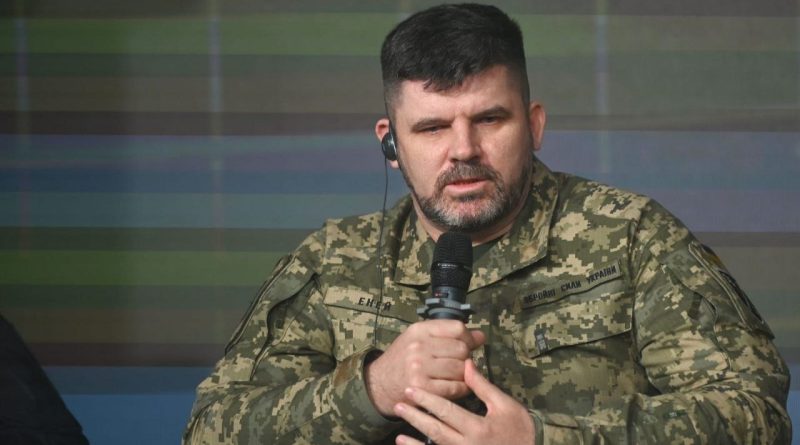
Chief of General Staff on Approaching Peace: All Our Work Indicates War Will Eventually End
In a recent interview with LIGA.net, Ukraine’s Chief of the General Staff addressed the sensitive topic of potential peace negotiations and the trajectory of the ongoing conflict with Russia. The military leader’s comments come at a critical juncture, as international diplomatic efforts intensify and various stakeholders push for a resolution to Europe’s largest armed conflict since World War II. His measured statement that “all our work indicates – sooner or later the war will end” reflects both the military’s pragmatic assessment of the situation and the delicate balance between maintaining combat readiness and acknowledging the eventual need for diplomatic solutions.
The remarks from the top military commander carry significant weight in Ukraine’s current political and military landscape. As the chief architect of Ukraine’s defense strategy, his perspective on peace offers insight into how military leadership views the conflict’s potential resolution. The statement suggests that while Ukrainian forces remain committed to defending their territory, there is also an understanding within the highest echelons of military command that sustainable peace must eventually be achieved through means beyond the battlefield alone.
Ukraine’s military situation has evolved dramatically since Russia launched its full-scale invasion in February 2022. What many analysts initially predicted would be a swift Russian victory transformed into a protracted conflict that has tested both nations’ military capabilities and economic resilience. Ukrainian forces, supported by Western military aid estimated at over $100 billion, have demonstrated remarkable adaptability, successfully defending key cities, conducting counteroffensives, and developing innovative drone warfare tactics that have changed modern battlefield dynamics. The conflict has resulted in hundreds of thousands of casualties on both sides and displaced millions of Ukrainian civilians.
The international community has increasingly focused on finding pathways to peace, with various diplomatic initiatives emerging from different global actors. China has proposed its own peace plan, while countries like Turkey, Saudi Arabia, and Switzerland have hosted or offered to host peace talks. The United States and European Union continue to balance military support for Ukraine with behind-the-scenes diplomatic efforts. Recent months have seen intensified discussions about potential ceasefire arrangements, territorial considerations, and security guarantees that would need to accompany any peace agreement. However, significant obstacles remain, including fundamental disagreements over territorial integrity and future security arrangements.
Military experts note that the timing of peace discussions often correlates with battlefield realities and the exhaustion levels of warring parties. Historical precedents from conflicts such as the Korean War, the Iran-Iraq War, and various Balkan conflicts demonstrate that prolonged conventional warfare typically concludes through negotiated settlements rather than total military victory. The Chief of General Staff’s acknowledgment of an eventual end to hostilities aligns with this historical pattern and suggests Ukrainian military leadership is preparing for multiple scenarios, including diplomatic outcomes that would require careful military positioning and strategic considerations.
The domestic implications of such statements are equally significant. Ukrainian society, while demonstrating extraordinary resilience and unity since the invasion began, has also experienced the profound toll of sustained conflict. Public opinion polls indicate that while most Ukrainians oppose territorial concessions, there is growing discussion about what acceptable peace terms might look like. The military leadership’s public acknowledgment of eventual peace helps prepare the population for future negotiations while reinforcing that such discussions will occur from a position of strength rather than capitulation.
Looking ahead, the path to peace remains uncertain but increasingly discussed among all parties. The Chief of General Staff’s comments suggest that military operations are being conducted with both immediate defensive needs and long-term peace objectives in mind. As winter approaches and the conflict enters its third year, the international community watches closely for signs of potential breakthrough negotiations. Whatever form eventual peace takes, it will require the careful coordination of military, political, and diplomatic efforts – a reality that Ukraine’s military leadership clearly understands and is actively incorporating into their strategic planning.